

spot_img
Saturday, February 28, 2026
More
    spot_img
    Home Blog Page 30

    Ozempic is everywhere and that’s triggering for people in recovery from eating disorders, specialists say

    0

    Ottawa Morning6:35Ozempic eating disorders

    One of the things Sheryl Rasband learned as part of her recovery from anorexia was that she shouldn’t actively try to lose weight. That’s why she was a little taken aback when her psychiatrist suggested she might want to try Ozempic.

    “I want to give him the benefit of the doubt because I was expressing my anxiety about my weight…. However, he knows my history,” she said.

    The 40-year-old nurse and mother who lives in Utah County, Utah, has struggled with an eating disorder since she was 16, and said her weight has gone up and down since then.

    When she was at her lowest point she had to be hospitalized and even temporarily lost custody of her children as a result, she said. 

    Now, after going through extensive treatment, Rasband said she feels much better mentally, even though she is technically obese according to her Body Mass Index. (BMI is a measurement that some doctors use to determine healthy weight, though it has been challenged as an indicator of health.)

    A woman smiles while standing in a field at the base of a mountain range.
    Sheryl Rasband’s psychiatrist prescribed her a number of weight loss drugs including Ozempic which she didn’t take out of fear it would trigger her anorexia. (Shelby Winterton)

    “I feel like I am more healthy, more functional, more everything at this weight versus when I’m at a lower weight and I’m in and out of treatment and I am suicidal.” 

    People who work in the field of eating disorder treatment in Canada say what Rasband has experienced is happening in this country, too, and they are raising the alarm that their patients are being prescribed weight loss drugs without proper screening or counselling.

    Risks for people with eating disorders

    Anita Federici, a clinical psychologist adjunct professor at York University, has noticed this trend. 

    “My grave concern is a movement that I’m seeing where physicians are prescribing drugs like Ozempic to people with eating disorders, and … providing false education, that these are front-line treatments for things like binge-eating disorder or bulimia nervosa, which they are absolutely not,” said Federici, who has a PhD in psychology and is also a fellow of the Academy for Eating Disorders. 
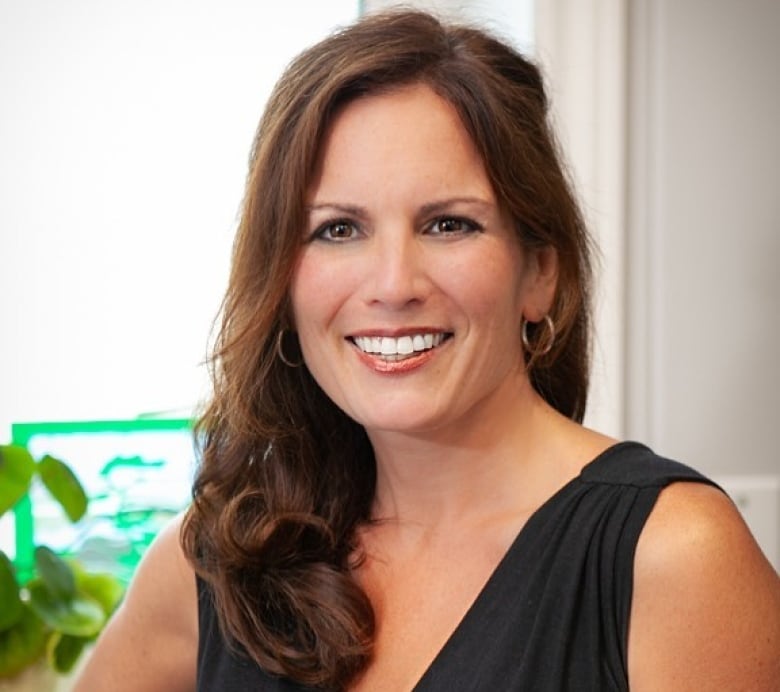
    A woman with long, dark hair smiles for a photograph.
    Clinical psychologist Anita Federici says doctors in Canada are prescribing Ozempic to people with eating disorders. (Paul Howard)

    While there are no data to show how many of the 3.5 million Ozempic prescriptions written in Canada last year went to people who have history of eating disorders, Federici said that a number of her patients are on Ozempic and that she’s worried, not just about their mental well-being, but also their physical health.

    Of particular concern are patients who have what is sometimes called “atypical anorexia,” she said, because although they might have a BMI that puts them in the category of overweight or obese, they are in fact starving themselves a lot of the time and are at risk of becoming malnourished if they use a weight loss drug.

    “You’re medically compromised. And now the danger is that the person with, quote unquote, atypical anorexia or binge-eating disorder walks into the physician’s office and is increasingly being prescribed Ozempic,” said Federici. 

    A billboard advertising Ozempic
    An Ozempic billboard, seen in London, Ont., outside a skincare clinic in the city’s northwest end. (Kate Dubinski/CBC News)

    ‘Doctor-supervised starvation’

    This is something that concerns clinical psychologist Jennifer Mills as well. 

    She’s a professor who studies eating disorders in the Department of Psychology at York University.

    Mills said that a drug like Ozempic could even trigger an eating disorder in someone “who is predisposed to having that kind of reaction,” and that patients need to be carefully monitored during what is “almost like doctor-supervised starvation.”

    She said there have been some documented cases where people who have had weight-loss surgery or taken weight loss drugs, where it’s triggered “an anorexia nervosa-like reaction.”

    “Sometimes when people lose weight drastically, they can develop a distorted sense of what their bodies look like. It’s almost as if their brain has a hard time catching up to the physical weight loss, and … perhaps an excessive fear of gaining the weight back or not being thin enough,” said Mills, who has a PhD in psychology.

    A woman with a blonde bob hairstyle smile for a portrait while wearing a dark blazer.
    Jennifer Mills, a professor who studies eating disorders in the Department of Psychology at York University, says Ozempic could induce an anorexia-like reaction in some patients. (Horst Herget Photography)

    One issue, she said, is that doctors and psychologists don’t always agree on the best approach to weight loss. 

    For example, Mills says she believes that people can be healthy at any size and encourages her clients to adopt that perspective, too. 

    “I preach that to my patients and yet it is at odds with this kind of buzz and hysteria around a drug that makes it really easy to lose weight.” 

    A ‘valuable’ drug for some

    But for doctors of patients with diabetes, weight loss can be a desired byproduct of using Ozempic.

    “We have an obesity epidemic…. That’s why we have a diabetes epidemic,” said Dr. Stewart Harris.

    He’s a professor in the Department of Family Medicine at Western University’s Schulich School of Medicine and Dentistry, and medical director of the primary care diabetes support program at Saint Joseph’s Health Care in London, Ont. 

    “From a purely clinical diabetes perspective [Ozempic] is a very valuable drug in … our toolbox.”
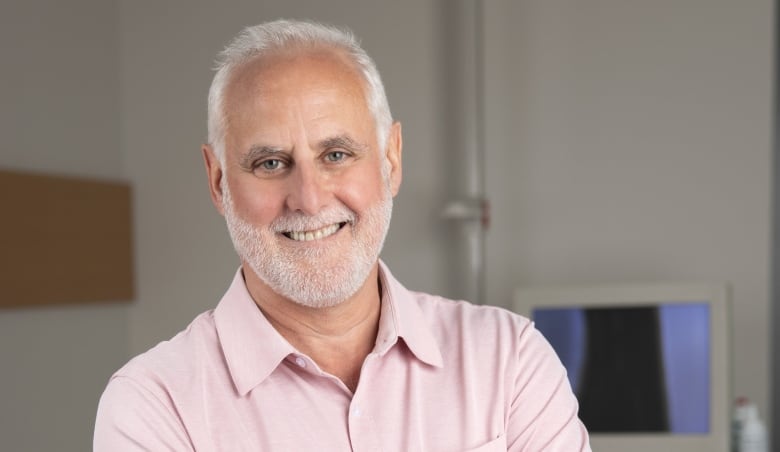
    A man with white hair and beard smiles for a photo taken in a medical examination room with medical equipment seen in the background.
    Dr. Stewart Harris says drugs like Ozempic are extremely important in the treatment of diabetes and can be prescribed safely to someone with an eating disorder if done with proper precautions. (Western University)

    And, he said, Ozempic can even be safely prescribed to someone with an eating disorder if the proper precautions are taken.

    “If I know … somebody has a binge-eating history or has mental health issues, I’m going to be much more judicious and careful as to whether I even initiate this therapeutic option, or how I’m going to do it or how I’m going to monitor them,” said Harris.

    “I’m very selective and careful in all people that I put this therapy on, but especially in people that I’m concerned about where there may be more adverse outcomes associated with people’s eating disorders.”

    He said he doesn’t want to point fingers but he knows not every doctor does this.

    “You [can] just pop into a health promotion clinic that’s selling diets and other lifestyle and things … and they just off-the-cuff give you a prescription without knowing who you are and what your clinical history is…. Then I think that’s where people are running into trouble,” he said.

    LISTEN | The impact of weight loss drugs on the body positivity movement:

    Columnists from CBC Radio6:31Body positivity and Ozempic


    Sad and scared

    Sheryl Rasband said she still isn’t sure whether she’s going to try Ozempic like her psychiatrist suggested. 

    Although she’s much happier living without an eating disorder, she’s not certain it won’t return with the pressure she feels to take weight-loss medication.

    “It’s just so sad that it’s catching me after all of these things that my eating disorder has done, and it’s bringing it back.”

    She’s also afraid that she is not the only one struggling with this difficult decision.

    “If it has me questioning, and it has all these other people who are like me questioning what their values are and what their priorities are for this publicly pushed weight loss medication, I feel scared for the population at large.”

    Ozempic is everywhere and that’s triggering for people in recovery from eating disorders, specialists say

    0

    Ottawa Morning6:35Ozempic eating disorders

    One of the things Sheryl Rasband learned as part of her recovery from anorexia was that she shouldn’t actively try to lose weight. That’s why she was a little taken aback when her psychiatrist suggested she might want to try Ozempic.

    “I want to give him the benefit of the doubt because I was expressing my anxiety about my weight…. However, he knows my history,” she said.

    The 40-year-old nurse and mother who lives in Utah County, Utah, has struggled with an eating disorder since she was 16, and said her weight has gone up and down since then.

    When she was at her lowest point she had to be hospitalized and even temporarily lost custody of her children as a result, she said. 

    Now, after going through extensive treatment, Rasband said she feels much better mentally, even though she is technically obese according to her Body Mass Index. (BMI is a measurement that some doctors use to determine healthy weight, though it has been challenged as an indicator of health.)

    A woman smiles while standing in a field at the base of a mountain range.
    Sheryl Rasband’s psychiatrist prescribed her a number of weight loss drugs including Ozempic which she didn’t take out of fear it would trigger her anorexia. (Shelby Winterton)

    “I feel like I am more healthy, more functional, more everything at this weight versus when I’m at a lower weight and I’m in and out of treatment and I am suicidal.” 

    People who work in the field of eating disorder treatment in Canada say what Rasband has experienced is happening in this country, too, and they are raising the alarm that their patients are being prescribed weight loss drugs without proper screening or counselling.

    Risks for people with eating disorders

    Anita Federici, a clinical psychologist adjunct professor at York University, has noticed this trend. 

    “My grave concern is a movement that I’m seeing where physicians are prescribing drugs like Ozempic to people with eating disorders, and … providing false education, that these are front-line treatments for things like binge-eating disorder or bulimia nervosa, which they are absolutely not,” said Federici, who has a PhD in psychology and is also a fellow of the Academy for Eating Disorders. 

    A woman with long, dark hair smiles for a photograph.
    Clinical psychologist Anita Federici says doctors in Canada are prescribing Ozempic to people with eating disorders. (Paul Howard)

    While there are no data to show how many of the 3.5 million Ozempic prescriptions written in Canada last year went to people who have history of eating disorders, Federici said that a number of her patients are on Ozempic and that she’s worried, not just about their mental well-being, but also their physical health.

    Of particular concern are patients who have what is sometimes called “atypical anorexia,” she said, because although they might have a BMI that puts them in the category of overweight or obese, they are in fact starving themselves a lot of the time and are at risk of becoming malnourished if they use a weight loss drug.

    “You’re medically compromised. And now the danger is that the person with, quote unquote, atypical anorexia or binge-eating disorder walks into the physician’s office and is increasingly being prescribed Ozempic,” said Federici. 

    A billboard advertising Ozempic
    An Ozempic billboard, seen in London, Ont., outside a skincare clinic in the city’s northwest end. (Kate Dubinski/CBC News)

    ‘Doctor-supervised starvation’

    This is something that concerns clinical psychologist Jennifer Mills as well. 

    She’s a professor who studies eating disorders in the Department of Psychology at York University.

    Mills said that a drug like Ozempic could even trigger an eating disorder in someone “who is predisposed to having that kind of reaction,” and that patients need to be carefully monitored during what is “almost like doctor-supervised starvation.”

    She said there have been some documented cases where people who have had weight-loss surgery or taken weight loss drugs, where it’s triggered “an anorexia nervosa-like reaction.”

    “Sometimes when people lose weight drastically, they can develop a distorted sense of what their bodies look like. It’s almost as if their brain has a hard time catching up to the physical weight loss, and … perhaps an excessive fear of gaining the weight back or not being thin enough,” said Mills, who has a PhD in psychology.

    A woman with a blonde bob hairstyle smile for a portrait while wearing a dark blazer.
    Jennifer Mills, a professor who studies eating disorders in the Department of Psychology at York University, says Ozempic could induce an anorexia-like reaction in some patients. (Horst Herget Photography)

    One issue, she said, is that doctors and psychologists don’t always agree on the best approach to weight loss. 

    For example, Mills says she believes that people can be healthy at any size and encourages her clients to adopt that perspective, too. 

    “I preach that to my patients and yet it is at odds with this kind of buzz and hysteria around a drug that makes it really easy to lose weight.” 

    A ‘valuable’ drug for some

    But for doctors of patients with diabetes, weight loss can be a desired byproduct of using Ozempic.

    “We have an obesity epidemic…. That’s why we have a diabetes epidemic,” said Dr. Stewart Harris.

    He’s a professor in the Department of Family Medicine at Western University’s Schulich School of Medicine and Dentistry, and medical director of the primary care diabetes support program at Saint Joseph’s Health Care in London, Ont. 

    “From a purely clinical diabetes perspective [Ozempic] is a very valuable drug in … our toolbox.”

    A man with white hair and beard smiles for a photo taken in a medical examination room with medical equipment seen in the background.
    Dr. Stewart Harris says drugs like Ozempic are extremely important in the treatment of diabetes and can be prescribed safely to someone with an eating disorder if done with proper precautions. (Western University)

    And, he said, Ozempic can even be safely prescribed to someone with an eating disorder if the proper precautions are taken.

    “If I know … somebody has a binge-eating history or has mental health issues, I’m going to be much more judicious and careful as to whether I even initiate this therapeutic option, or how I’m going to do it or how I’m going to monitor them,” said Harris.

    “I’m very selective and careful in all people that I put this therapy on, but especially in people that I’m concerned about where there may be more adverse outcomes associated with people’s eating disorders.”

    He said he doesn’t want to point fingers but he knows not every doctor does this.

    “You [can] just pop into a health promotion clinic that’s selling diets and other lifestyle and things … and they just off-the-cuff give you a prescription without knowing who you are and what your clinical history is…. Then I think that’s where people are running into trouble,” he said.

    LISTEN | The impact of weight loss drugs on the body positivity movement:

    Columnists from CBC Radio6:31Body positivity and Ozempic


    Sad and scared

    Sheryl Rasband said she still isn’t sure whether she’s going to try Ozempic like her psychiatrist suggested. 

    Although she’s much happier living without an eating disorder, she’s not certain it won’t return with the pressure she feels to take weight-loss medication.

    “It’s just so sad that it’s catching me after all of these things that my eating disorder has done, and it’s bringing it back.”

    She’s also afraid that she is not the only one struggling with this difficult decision.

    “If it has me questioning, and it has all these other people who are like me questioning what their values are and what their priorities are for this publicly pushed weight loss medication, I feel scared for the population at large.”

    Early works construction begins for Prince Albert Victoria Hospital project

    0


    News Release

    Local

    Infrastructure Management

    Prince Albert

    Construction has begun at Prince Albert’s Victoria Hospital for a new and larger parking lot, located on the south side of the hospital. The creation of the new parking lot will allow the tower to be built on the north side of the hospital, where current staff and patient parking exists, resulting in additional stalls for all entering the Victoria Hospital.

    An event held on July 24, 2023, celebrated the next step towards expanding the Victoria Hospital, one of many milestones to come in the largest major capital project the Saskatchewan Health Authority (SHA) has underway.

    “I am proud of the dedicated teams working diligently behind the scenes to establish optimal patient flows for the expansion of services, which will serve this community for years to come,” said Derek Miller, SHA Chief Operating Officer.

    The project will include a new tower to increase acute care beds by 40 per cent, grow the number of mental health beds and expand the square footage of the emergency department, allowing for more patients to be seen and treated closer to home.  The addition of newer technology for diagnostic imaging and laboratory equipment will create more efficient testing and treatment of patients.

    Thank you to the partnership with the Prince Albert Grand Council (PAGC) for its guidance and support in the design of the future facility. The SHA and Government of Saskatchewan appreciate the collaboration of our partnering organizations in the delivery of this project.

    A heartfelt appreciation goes out to the Victoria Hospital Foundation, as they take on the task of fundraising for the furniture, fixtures and equipment for the expansion. Without the foundation’s dedication, this would not be possible. 


    Source link

    Peer support conference coming to Moose Jaw

    0


    Those currently involved in, and Saskatchewan Health Authority (SHA) or Community-Based Organizations (CBO) staff interested in learning more about Peer Support are encouraged to register for the SHA Peer Support Insight Assembly in Moose Jaw September 27 and 28, 2023. In-person and virtual participation options are available.

    Peer Support is emotional and practical support provided by people who share lived experience with the people they support. Although it often occurs naturally within communities, formal Peer Support services require training and supervision. Peer Supporters model recovery and self-care, providing encouragement and strength-based support to inspire client self-awareness and the capacity to believe in themselves and hope for recovery.

    The SHA provides Peer Support programs through Mental Health and Addiction Services in the Moose Jaw, Prince Albert, Saskatoon, and Weyburn. In the Battlefords, Swift Current,   Regina, and Yorkton, SHA supports community-based Peer Support delivered through CBOs. Referrals are available through Mental Health and Addictions staff in all eight communities.

     Peer Support has been promoted as an important complement to traditional systems by the Mental Health Commission of Canada, the Saskatchewan Mental Health and Addiction Action Plan, Housing First, and many other organizations.


    Source link

    Addictions treatment available

    0


    Adults struggling with drug or alcohol addiction have the option to receive outpatient treatment online through Edgewood Health Network (EHN) Canada. 

    Through an agreement between the Saskatchewan Health Authority (SHA) and ENH Canada, adults from anywhere in the province that are 18 years and older and have a valid Saskatchewan health card may be able to access addictions treatment online. This flexible online option means you should be able to continue meeting work, school, and family responsibilities and commitments while receiving treatment for addictions.

    Adults struggling with mild to moderate addictions can see if online outpatient treatment is right for them by referring themselves or through a referral from private mental health and addiction health care providers, SHA mental health and addictions providers, and physicians and nurse practitioners.

    The online addictions treatment program is eight weeks in total and is followed by 10 months of supportive aftercare. The program also includes access to education and support for families, support persons, and loved ones of program participants.  

    For more information or referrals, visit www.edgewoodhealthnetwork.com/iopsa-sask or call 647-430-1680.

    A new virtual treatment option is available for adults with mild to moderate addictions. Treatment is free of charge with a valid Saskatchewan health card. 


    Source link

    Regina Lutheran Home to remain open after controversial closing announcement

    0


    The province is walking back its decision to close the Regina Lutheran Home, after it was announced the long-term care facility would be closing.

    62 families would have been forced to find a new place to live effective April 11, 2024, a decision met with anger from many in the community.

    On Friday, the Saskatchewan Health Authority (SHA) announced they reached an agreement with Eden Care Communities that will allow the home to remain open.

    Eden Care Communities will continue to operate the facility on a transitional basis while ownership of the facility is transferred to the SHA.

    The province said that residents who have already moved out will have the option to return.

    “After hearing from residents and families, I asked the Ministry of Health to work with the SHA to reconsider the viability of purchasing Regina Lutheran Home,” mental health and addictions, rural and remote heath and seniors minister Tim McLeod said.

    Story continues below advertisement

    The province did not say how long the transition will take.

    Sask. NDP Coronation Park MLA Noor Burki, said he is happy to see the home remain open.

    “I’ve pushed hard along with our team to keep the Lutheran Care Home open and I’m glad the government has finally come to its senses,” Burki said. “This is a big win for these families and our community.”

    &copy 2023 Global News, a division of Corus Entertainment Inc.


    Source link

    Police board seeks more action on ‘complex needs’ service gap

    0


    “Our community as a whole deserves better continuity here. It’s, to be quite frank, unacceptable,” said Coun. Hilary Gough.

    Article content

    Saskatoon’s board of police commissioners plans to send a new letter to the provincial government about the findings in the city police report that describes a lack of supports for people with “complex needs” enabling a cycle of rearrest and detention.

    The board on Thursday approved a slew of motions after a lengthy discussion about the report on police interactions with people who have “complex needs” — those who experience homelessness, mental health and/or addictions issues and are often hard to house.

    Advertisement 2

    Article content

    Article content

    The report found that police, when they detain people with “complex needs” for public intoxication, often don’t have anywhere besides their own detention unit to take people who are in a vulnerable state and unable to care for themselves if the Saskatchewan Health Authority-operated brief detox unit is full.

    It also found that when people are released, detention staff try to find them space at a shelter if available; otherwise they end up out on their own.

    “This is unacceptable for the City of Saskatoon,” board chair Jyotsna (Jo) Custead said.

    Police board member Coun. Hilary Gough made several motions, including offering to work with the province as it develops policies for the new “complex needs” facility to be opened in Saskatoon, and continuing to lobby for supportive social housing.

    “Our community as a whole deserves better continuity here. It’s, to be quite frank, unacceptable,” she said.

    In their assessment, police saw a gap in post-release services, Chief Troy Cooper told the StarPhoenix.

    “It’s necessary to keep people in care, whether that’s in a hospital or a jail cell or a complex needs facility. There’s a need to keep them for a period of time.”

    Article content

    Advertisement 3

    Article content

    Cooper said police want to find out if there’s a best practice used in other jurisdictions or a community partnership they can develop, where an agency would come in at the time of release to plan and provide supports so people aren’t returning to the same conditions that led their detention.

    Police found about a third of all arrests within Jan. 1, 2022 and Aug. 31, 2023 were only for public intoxication, and 52 per cent of those people were homeless. A majority of people arrested for intoxication were Indigenous men between 20 and 39 years of age.

    Board commissioner Shirley Greyeyes said the demographics are important. Indigenous people represent about nine per cent of Saskatoon’s overall population, she noted.

    “And then you look at these numbers. That should slap everybody in the face … the reality of what is happening to those people who have suffered for so long.”

    Cooper told the StarPhoenix the province is interested in learning from police experiences as it explores how to safely transition people from a complex needs facility into the community.

    “We certainly are interested in finding new partners if possible, or supporting partners that exist now that need more funding or more resources,” he said, giving the example of lobbying for funding for the Saskatoon Tribal Council-run Sawēyihotān program addressing homelessness.

    Advertisement 4

    Article content

    He said people look to police to find a solution to what they see in the community.

    “I think what the report today really clearly showed is that traditional policing methods of writing tickets and bringing people into custody temporarily is ineffective, that there’s a core group of people who just are not impacted by those traditional methods,” he said.

    “We need to, if we’re going to find a solution, it’s going to have to include more than just justice, more than just policing.”

    tjames@postmedia.com

    Related Stories

    With some online platforms blocking access to the journalism upon which you depend, our website is your destination for up-to-the-minute news, so make sure to bookmark TheStarPhoenix.com and sign up for our newsletters so we can keep you informed. Click here to subscribe.

    Article content

    Comments

    Postmedia is committed to maintaining a lively but civil forum for discussion and encourage all readers to share their views on our articles. Comments may take up to an hour for moderation before appearing on the site. We ask you to keep your comments relevant and respectful. We have enabled email notifications—you will now receive an email if you receive a reply to your comment, there is an update to a comment thread you follow or if a user you follow comments. Visit our Community Guidelines for more information and details on how to adjust your email settings.


    Source link

    Zamboni leaking carbon monoxide likely cause of hockey player illness

    0


    The rink in Wakaw, northeast of Saskatoon, was hosting an under-15 hockey tournament last weekend when players began to get ill.

    Article content

    WAKAW, Sask. — A Saskatchewan town has temporarily closed its hockey arena after carbon monoxide, likely from a Zamboni, left players sick.

    The rink in Wakaw, northeast of Saskatoon, was hosting an under-15 hockey tournament last weekend when players began to get ill.

    Article content

    “Nobody really connected the dots,” said Mayor Mike Markowski.

    “People thought it was potentially food poisoning or the flu going around.”

    Advertisement 2

    Article content

    Parents told CKOM News that players were initially getting headaches, but as the tournament progressed, they started getting worse. Some players vomited while on the bench.

    Markowski said the tournament wrapped up on Sunday and by that time it started to become clear that something bigger was going on. SaskEnergy was called in to investigate and the Crown corporation initially thought a furnace was the carbon monoxide culprit.

    The rink was shut down and the furnace was turned off on Monday.

    To be safe, Markowski said, the community also called in the Saskatchewan Health Authority, which did tests that traced the carbon monoxide to the arena’s ice resurfacing machine.

    The mayor said the rink will remain closed until the Zamboni is repaired. He said the town is also making sure furnaces are working properly.

    “It just goes to show you, right, how quickly something can happen,” Markowski said.

    “It’s a good eye opener for every community that has an arena, how things can happen.”

    Wakaw’s arena was built in the 1980s and it has carbon monoxide detectors, the mayor said. But they didn’t go off.

    Advertisement 3

    Article content

    The Zamboni also receives maintenance every summer when the hockey season is over, Markowski said.

    The Wakaw situation shows the importance of being vigilant, he added.

    “Fortunately nobody was hospitalized or anything to that extent.”

    Nearly 80 people were hospitalized in 2019 due to carbon monoxide exposure during a hockey tournament at a St. John’s, N.L., arena. That leak at the Bussey-Horwood Arena was also linked to the rink’s ice cleaning machine.

    Ninety-two people went to hospital in Wisconsin due to a carbon monoxide leak during a 2014 hockey tournament. An analysis published by the U.S. Centers for Disease Control and Prevention the following year confirmed the carbon monoxide poisoning also came from a faulty ice-resurfacing machine.

    Related Stories

    Bookmark our website and support our journalism: Don’t miss the news you need to know — add The StarPhoenix.com and LeaderPost.com to your bookmarks and sign up for our newsletters here.

    You can also support our journalism by becoming a digital subscriber: For just $4.75 a month, you can get unlimited online access to Saskatoon StarPhoenix, Regina Leader-Post, Financial Post, National Post and the entire Postmedia network as well as an electronic replica of the print edition to view on any device, share and comment on. Support us by subscribing today: Saskatoon StarPhoenix | Regina Leader-Post

    Article content

    Comments

    Postmedia is committed to maintaining a lively but civil forum for discussion and encourage all readers to share their views on our articles. Comments may take up to an hour for moderation before appearing on the site. We ask you to keep your comments relevant and respectful. We have enabled email notifications—you will now receive an email if you receive a reply to your comment, there is an update to a comment thread you follow or if a user you follow comments. Visit our Community Guidelines for more information and details on how to adjust your email settings.


    Source link

    Terminally ill Sask. woman finds family to take in 3 senior dogs once she passes

    0

    Susan Dickens feels at peace now that she knows her three dogs, Cisco, Booda and Olive, will remain together in a loving home after she is no longer here to take care of them.

    Dickens has late-stage cervical cancer. After her diagnosis, the Regina woman’s biggest fear was that the dogs would be split up or sent to a shelter after she died.

    It’s not easy to find people willing to take in three senior dogs. Dickens wasn’t having much luck with the search, so she began to share her story in the media. After months of looking — she found the perfect fit.

    “I just know in my heart I picked the right place.”

    Her dogs are 16, 15 and 13. Olive is an Australian Shepherd, Booda is a corgi mix and Cisco is a border collie lab mix. Dickens said Cisco became especially attached to her after her husband passed.

    When she went public with her wish to keep the dogs together, an overwhelming number of people reached out to her, offering words of encouragement or their homes.

    “I’m eternally grateful for all the animal lovers out there. It was incredible,” she said.

    “So many people reached out. It was so hard to even get back to everybody, and I felt bad for that because people are genuinely kind.”

    The people who will take in Dickens’s dogs told her they don’t want to participate in a news story, but she described them as loving people who are down to earth and care deeply for their own animals.

    She first began chatting with the family, who live a few hours from the city, on the phone. Then they drove to the city to pick up Dickens and her dogs so they could see the place first hand.

    She knew it was a good fit as soon as they pulled up and several animals ran up to greet them. Dickens and her dogs spent two days out on their property.

    “I got to know them a little bit more than just a quick visit. I got to see the layout of the land and I just know my dogs are going to be perfect. They have a couple of old dogs,” she said.

    “It’s wonderful. So much space to run around, more than my own home. More freedoms. Lots of other animals to interact with and they got along quite well with their animals. It was really a match made in heaven.”

    A border collie-lab dog smiles at the camera. The dog has light brown eyes and black hair with white and grey on his snout and eyebrows.
    Sue Dickens said is at peace now that she knows her dogs will be taken care of after she is gone. (Adam Bent/CBC)

    Dickens said her dogs were even cordial with the cats (aside from a few barks) — a big surprise to her.

    Sheyenne Runns, who said Dickens is like a mother to her, accompanied Dickens on the trip. She said the family members are animal lovers with dogs and cats, but also donkeys, goats, chickens and pigs. Runns said she is grateful they are opening their hearts and home to Dickens’s dogs.

    “Sue loves her dogs to death. They’re her world and her everything, and knowing that we found a good place for them makes us feel happy and generally thankful that these people reached out and wanted to take in them,” Runns said.

    “She loves her dogs. She treats them like her babies.”

    A composite photo showing an Australian Shepherd and a corgi mix.
    Sue Dickens has found someone who can take in all of her senior dogs after she is gone. (Adam Bent/CBC)

    Dickens said she wants to keep her dogs forever, but she knows that might not be possible given her diagnosis. The pups will stay with her as long as they can.

    Once Dickens passes, the family she has chosen will come and pick up the three dogs.

    “I’m doing really well, so I don’t know when that’ll be, but they’re quite OK to wait, and when the time comes, they’re going to come get them, so it’s perfect,” she said.

    “I’m so happy and I have peace of mind now.”

    Faulty Zamboni likely made teens ill at Sask. rink, health authority says

    0


    According to the Saskatchewan Health Authority (SHA) a faulty Zamboni was likely the source of a carbon monoxide leak that made numerous teens at a hockey tournament feel ill.


    A parent who attended the tournament told CTV News players on multiple teams experienced headaches, nausea, and in some cases, vomiting, during an under-15 tournament last Sunday in Wakaw, Sask.


    Workers from the province’s natural gas supplier SaskEnergy initially found an issue with two furnace units, which the town’s mayor said will be replaced.


    Upon further investigation, the SHA believes the Zamboni was likely the main cause of the symptoms experienced by the teen players.


    There were no reported hospitalizations in connection with the incident.


    Source link