
spot_img
Sunday, March 1, 2026
More
    spot_img
    Home Blog Page 24

    Canada’s Indigenous women forcibly sterilized decades after other rich countries stopped

    0

    Decades after many other rich countries stopped forcibly sterilizing Indigenous women, numerous activists, doctors, politicians and at least five class-action lawsuits allege the practice has not ended in Canada.

    Senate report last year concluded, “This horrific practice is not confined to the past, but clearly is continuing today.” In May, a doctor was penalized for forcibly sterilizing an Indigenous woman in 2019.

    Indigenous leaders say the country has yet to fully reckon with its troubled colonial past — or put a stop to a decades-long practice that is considered genocide.

    There are no solid estimates on how many women are being sterilized against their will, but Indigenous experts say they regularly hear complaints about it. Sen. Yvonne Boyer, whose office is collecting the limited data available, says at least 12,000 women have been affected since the 1970s.

    Story continues below advertisement

    “Whenever I speak to an Indigenous community, I am swamped with women telling me that forced sterilization happened to them,” Boyer, who has Indigenous Metis heritage, told The Associated Press.

    Medical authorities in Canada’s Northwest Territories sanctioned a doctor in May for forcibly sterilizing an Indigenous woman, according to documents obtained by the AP.

    Dr. Andrew Kotaska performed the 2019 operation to relieve an Indigenous woman’s abdominal pain. He had her written consent to remove her right fallopian tube but not her left one, which would leave her sterile.

    Despite objections from other medical staff during the surgery, Kotaska took out both fallopian tubes.

    The investigation concluded there was no medical justification for the sterilization, and Kotaska was found to have engaged in unprofessional conduct. Kotaska’s “severe error in surgical judgment” was unethical, cost the patient the chance to have more children and could undermine trust in the medical system, investigators said.

    The case was likely not exceptional.

    Thousands of Indigenous Canadian women over the past seven decades were coercively sterilized, in line with eugenics legislation that deemed them inferior.

    The Geneva Conventions describe forced sterilization as a type of genocide and crime against humanity and the Canadian government has condemned forced sterilization elsewhere, including of Uyghur women in China.

    Story continues below advertisement

    In 2018, the U.N. Committee Against Torture told Canada it was concerned about persistent reports of forced sterilization, saying all allegations should be investigated.

    In 2019, Prime Minister Justin Trudeau acknowledged that the murders and disappearances of Indigenous women across Canada amounted to “genocide,” but activists say little has been done to address ingrained prejudices against the Indigenous, allowing forced sterilizations to continue.

    In a statement, the Canadian government told the AP it was aware of allegations that Indigenous women were forcibly sterilized and the matter is before the courts.

    “Sterilization of women without their informed consent constitutes an assault and is a criminal offence,” the government said. It acknowledged that bias in the health system “continues to have catastrophic effects” on Indigenous people.

    Difficult to say how common the practice is

    Indigenous people comprise about five per cent of Canada’s nearly 40 million people. The more than 600 Indigenous communities across Canada, known as First Nations, face significant health challenges compared to other Canadians.

    Until the 1990s, Indigenous people were mostly treated in segregated hospitals, where there were reports of rampant abuse.

    It’s difficult to say how common sterilization — with or without consent — happens. Canada’s national health agency doesn’t routinely collect sterilization data, including the ethnicity of patients.

    Story continues below advertisement

    In 2019, Sylvia Tuckanow told the Senate committee investigating forced sterilizations about how she gave birth in a Saskatoon hospital in July 2001. She described being disoriented from medication and being tied to a bed as she cried.

    “I could smell something burning,” she said. “When the (doctor) was finished, he said, ‘There: tied, cut and burnt. Nothing will get through that,’” Tuckanow said, referring to her fallopian tubes. She said she hadn’t consented.

    In November, a report documented nearly two dozen forced sterilizations in Quebec from 1980 to 2019, including one woman who said her doctor told her after bladder surgery that he had removed her uterus at the same time — without her consent.

    The report concluded that doctors and nurses “insistently questioning whether a First Nations or Inuit mother wants to (be sterilized) after the birth of her first child seems to be an existing practice in Quebec.”

    Some women were not even aware they were sterilized.

    Morningstar Mercredi, an Alberta-based Indigenous author, was sterilized as a 14-year-old, but didn’t find out until decades later when she sought help after being unable to conceive.

    “I went into a catatonic stage and had a nervous breakdown,” Mercredi wrote in her 2021 book, Sacred Bundles Unborn.

    Story continues below advertisement

    She said the impact of forced sterilizations on First Nations people was “staggering,” describing the generations of lost Indigenous lives as a “genocide.”

    The Senate report on forced sterilization made 13 recommendations, including compensating victims, measures to address systemic racism in health care and a formal apology.

    In response to questions from the AP, the Canadian government said it recognized “the pressing need” to end forced sterilization. The government said it had invested more than $87 million to improve access to “culturally safe” health services, one-third of which supports Indigenous midwifery initiatives.

    Last year, the government allocated $6.2 million to help survivors of forced sterilization.

    Power imbalance

    Dr. Alika Lafontaine, the first Indigenous president of the Canadian Medical Association, recalls times when it was unclear whether Indigenous women had agreed to sterilization.

    “In my residency, there were situations where we would do C-sections on patients and someone would lean over and say, ‘So we’ll also clip her (fallopian) tubes,’” he said. “It never crossed my mind whether these patients had an informed conversation” about sterilization, he said, adding he assumed that had happened before patients were on the operating table.

    Dr. Ewan Affleck, who made a 2021 film, The Unforgotten, about the pervasive racism against Canada’s Indigenous people, noted an ongoing “power imbalance” in health care. “If you have a white doctor saying to an Indigenous woman, ‘You should be sterilized,’ it may very likely happen,” Affleck said.

    Story continues below advertisement

    Class actions

    There are at least five class-action lawsuits against health, provincial and federal authorities involving forced sterilizations in Alberta, Saskatchewan, Quebec, British Columbia, Manitoba, Ontario and elsewhere.

    May Sarah Cardinal, the representative plaintiff in the Alberta case, said she was pressured into having her tubes tied after having her second child in 1977, but the doctor never explained the procedure was irreversible.

    “The doctor told me: ‘There are hard times ahead and how are you going to look after a bunch of kids? What if your husband leaves?’” Cardinal told the AP. “I didn’t feel like I had a say.”

    In the case against Kotaska, documents show an anesthetist and surgical nurse became alarmed when he said during the surgery to remove the woman’s right fallopian tube: “Let’s see if I can find a reason to take the left tube as well.”

    Kotaska said he was “voicing his thought process out loud” that removing both tubes would lessen the woman’s pelvic pain.

    Describing Kotaska’s actions as “a violation of his ethical obligations,” investigators suspended Kotaska’s medical license for five months and ordered him to take an ethics course. The woman is suing Kotaska and hospital authorities for $6 million.

    There was no suggestion in the documents that Kotaska was motivated by racism. He declined to comment to the AP.

    Story continues below advertisement

    “People don’t want to believe things like this are happening in Canada, but cases like this explain why entire First Nations populations still feel unsafe,” said Dr. Unjali Malhotra, chief medical officer of the First Nations Health Authority in British Columbia.

    Mercredi said she continues to suffer from being sterilized without her knowledge.

    “No amount of therapy or healing can reconcile the fact that my human right to have children was taken from me,” she said.

    Click to play video: 'Senator says forced or coerced sterilizations are ‘happening today as we speak’'


    Senator says forced or coerced sterilizations are ‘happening today as we speak’


    Lack of B.C. transplant surgeons means donated kidneys are sent elsewhere, say doctors

    0

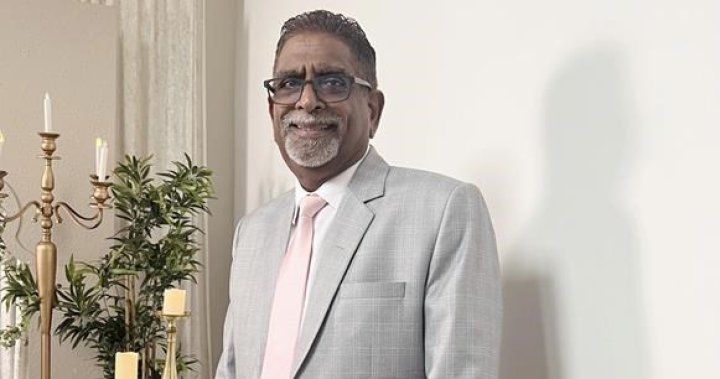
    Sukinder Mangat has been waiting 11 years for a kidney transplant while enduring dialysis three times a week as part of a routine that leaves him exhausted, worried and unable to work.

    “I have not gone on holidays in the last 11, 12 years,” Mangat said before a four-hour appointment at a Richmond, B.C., community dialysis unit where his blood will pass through a machine to be cleaned of waste products and excess fluid because his kidneys can’t do that job.

    “Basically, I just come home, have dinner and just go to bed,” the 59-year-old said.


    Click to play video: 'B.C. doctor shares concerns about kidney transplant challenges'


    B.C. doctor shares concerns about kidney transplant challenges


    Mangat is on a wait list for a second kidney transplant after his first donated kidney failed because of a viral infection.

    Story continues below advertisement

    But getting a compatible kidney could be a challenge because patients awaiting a second transplant are considered “highly sensitized,” meaning their immune system, primed with a high level of antibodies after the first transplant, could more easily reject a new kidney.

    However, there’s a bigger problem for everyone waiting for a kidney in British Columbia, where only four surgeons do all the transplants at two Vancouver hospitals. Kidneys that can’t be used are getting shipped to other provinces.

    BC Transplant, the provincial agency responsible for organ transplants, said 56 kidneys were sent elsewhere last year.

    “To honour the wishes of our deceased donors and their families, every effort is made to ensure suitable organs are successfully transplanted,” it said in an emailed response.

    By comparison, the Ontario Ministry of Health, which has seven transplant sites, said 10 kidneys from that province were shipped to other provinces last year. Ontario has 25 kidney transplant surgeons, the Ontario Medical Association said of the province with triple the population of B.C.

    Dr. David Harriman, a kidney transplant surgeon at Vancouver General Hospital, said between eight and 10 surgeons are needed in B.C. so residents waiting for a kidney can benefit from the organs that were donated in the province.

    “We have fewer surgeons doing the volume of work we’re doing than other jurisdictions,” said Harriman, adding that kidney donations have risen while the number of transplant surgeons has not changed in B.C. “It’s not a sustainable situation here,” he said.

    Story continues below advertisement


    Click to play video: 'Woman sues Interior Health over improperly stored transplant tissue'


    Woman sues Interior Health over improperly stored transplant tissue


    The B.C. Health Ministry said the province had six kidney transplant surgeons in 2018.

    BC Transplant, a program under the Provincial Health Services Authority, did not respond to questions about efforts to recruit more surgeons.

    However, Harriman said the doctors have been working with health authorities and government representatives to try and attract the specialists.

    “Anybody coming into our landscape and situation is immediately going to be thrown to the wolves, so to speak,” he said of the long hours. “We’ve already lost two potential hires to other jobs that were looked at more favourably than the work we have here in Vancouver.”

    Doctors of BC, the province’s medical association, echoed Harriman’s concerns. It said each of the four B.C. surgeons does more transplants and works on call more often than their colleagues elsewhere in Canada.

    Story continues below advertisement

    In 2020, for example, each B.C. surgeon transplanted 70 kidneys and was on call every other day, the association said.

    By comparison, surgeons in Calgary transplanted 27 kidneys each and were on call every third day and surgeons at Toronto General Hospital transplanted 37 kidneys each but were on call every eight days, it added.

    “As it stands, the four remaining surgeons have had to take on increased workloads. They are understandably overworked, frustrated, and tired,” Doctors of BC said in an emailed response.


    Click to play video: 'Health Matters: Australia’s 1st uterus transplant patient pregnant'


    Health Matters: Australia’s 1st uterus transplant patient pregnant


    Data from the Canadian Institute for Health Information (CIHI) show 288 kidney transplants were done in B.C. last year, a rate of nearly 55 per million people. That’s compared to 730 transplants in Ontario, or 49 organs per million people.

    Data from CIHI also show 37 transplants were done in Saskatchewan last year, at a rate of 31.4 per million people. However, that province has three transplant surgeons, the Saskatchewan Health Authority said.

    Story continues below advertisement

    Dr. John Gill, a nephrologist at St. Paul’s Hospital, said 10 kidneys were not recovered last year from older donors because there were not enough surgeons to transplant them, but the organs could not be shipped to other provinces because they were more fragile and would not travel well.

    “Those opportunities for transplants just didn’t happen,” Gill said.


    Click to play video: 'B.C. to send some cancer patients to Bellingham for treatment'


    B.C. to send some cancer patients to Bellingham for treatment


    B.C. also could not recently accept two kidneys for “highly sensitized” patients, such as Mangat, from a national program run by the Canadian Blood Services, he said.

    “This is probably their only shot at a transplant because they’re very, very hard to match. We couldn’t accept those kidneys because we had no one to implant them,” Gill said. “That’s the human toll of what’s transpired because of this surgical crisis.”

    Gill said patients who are waiting for a kidney stay on dialysis instead of getting a life-saving transplant that would improve their quality of life and allow them to work. Those of child-bearing age could also have children after a transplant.

    Story continues below advertisement

    “What we should all be concerned about from a societal perspective is that each transplant, compared to treatment with dialysis, results in health-care savings of over $500,000 (over a decade).”

    Canadian Press health coverage receives support through a partnership with the Canadian Medical Association. CP is solely responsible for this content.


    New COVID shot provides ‘boost in protection’ against new variants: doctors

    0

    Public health officials say the number of COVID-19 infections is climbing again — just in time for respiratory virus season in the fall and winter, when respiratory syncytial virus and influenza also come on the scene.

    Health Canada recently authorized an updated mRNA COVID-19 vaccine, manufactured by Moderna, that targets the XBB.1.5 Omicron subvariant circulating now. The federal government is sending the new vaccine out to the provinces and territories, which are in charge of rolling it out to the public.

    “I think the timing is going to be good,” said Dr. Jeffrey Pernica, head of the division of infectious disease at McMaster University in Hamilton.

    “The incidence of COVID-19 has started to creep back up.”

    But it’s clear that many Canadians are tired of getting COVID-19 vaccines — according to the Public Health Agency of Canada, only 22 per cent of people five years and older got the bivalent booster dose, which offered protection against the Omicron variant in addition to the original coronavirus strain.

    Story continues below advertisement

    So why should Canadians roll up their sleeves again? Here’s what doctors and scientists say you need to know.

    Which updated COVID-19 vaccines are available in Canada?

    Moderna’s Spikevax mRNA COVID-19 vaccine, updated to target the XBB.1.5 subvariant of Omicron, is approved for people aged six months and older.

    But Health Canada is also reviewing updated versions of two more COVID-19 vaccines.

    One is Pfizer-BioNTech’s Comirnaty vaccine, which was designed to target XBB.1.5 and was approved by the FDA in the U.S. earlier this month.

    The other is a non-mRNA option. Novavax has updated its protein subunit vaccine to target XBB.1.5 as well. The company is still waiting for FDA approval in the U.S.

    How the new vaccine works

    The updated vaccines specifically target the coronavirus subvariants that are circulating right now, which are “pretty different from the original recipe,” said Angela Rasmussen, a virologist at the Vaccine and Infectious Disease Organization at the University of Saskatchewan.

    Story continues below advertisement

    The last boosters were bivalent formulas that targeted both the original strain of coronavirus and BA.1 or BA.5, which are subvariants of the Omicron variant.

    But the XBB subvariants, which are the main strains appearing in Canada right now, are derivatives of Omicron BA.2 — and that subvariant wasn’t targeted by the prior bivalent booster, Rasmussen said.

    So even if you got the bivalent booster, it’s still worth getting the new shot targeted to XBB.1.5, she said.


    Click to play video: 'What you can do to prepare for cold and flu season'


    What you can do to prepare for cold and flu season


    “That’s going to provide people with two things. It’s going to provide them with a temporary boost in protection against infection,” Rasmussen said. “That’s going to be antibodies that booster elicits that are going to be more specific than the ones they already have from the vaccines they’ve had so far.”

    More importantly, the vaccine will provide longer-lasting “additional protection against developing severe disease,” she said.

    Story continues below advertisement

    Dr. Lawrence Loh, executive director of the College of Family Physicians of Canada, agrees.

    “The thing is that the variants have changed. So it’s best to get this one to be up-to-date with what’s happening … right now,” said Loh, who is also a family physician and the former medical officer of health for Peel Region, west of Toronto.

    But what if I got infected this year? Do I still need the vaccine?

    It’s true that many people may have some hybrid immunity (dual protection from a combination of vaccination and infection) to COVID-19, doctors say.

    But immunity wanes over time — so if it’s been six months or longer since you were last infected or boosted, then getting the updated vaccine is a good move to bring your protection back up this fall and winter, said Dr. Theresa Tam, chief public health officer of Canada, in a Sept. 12 news conference.

    Story continues below advertisement

    In addition, the immunity-boosting effect of infection varies from person to person, said Rasmussen.

    “If you got infected in the last year, you probably did get infected with one of the XBB subvariants. But for some people that will act like a booster (shot), but for other people it might not. And you don’t know which one you’re going to be,” she said.
    “Getting that booster guarantees that you are going to have that extra protection.”

    What about the flu and RSV?

    In addition to the COVID-19 vaccine, flu shots will be available across the country this fall.

    Like the updated COVID shot, the flu vaccine is formulated to be the best possible match for the strains of the virus that are expected to be circulating. Even though some people may still get the flu if they’re vaccinated, it still protects against severe illness, doctors say.

    Story continues below advertisement

    It is safe to get both the COVID-19 booster and the flu shot at the same time, the Public Health Agency of Canada said.

    Getting both vaccines won’t affect their immunological effectiveness, Rasmussen said, noting that health-care providers may give one shot in each arm just to minimize soreness.

    Health officials are hoping that the convenience of getting the two shots at the same time will increase uptake of both vaccines.


    Click to play video: 'Manitoba top doctor urges vaccination as flu and virus season nears'


    Manitoba top doctor urges vaccination as flu and virus season nears


    “I think what we sort of leave out when we think about why people don’t get vaccinated is logistics,” said Dr. Kumanan Wilson, chief scientific officer at the Bruyere Research Institute in Ottawa and an immunization researcher. “Make access as easy as possible.”

    Health-care professionals are hoping to avoid the  “tripledemic” that overwhelmed hospitals and doctor’s offices last fall.

    Story continues below advertisement

    However, there is currently no RSV vaccine available for children, who were hit hard by the virus last year. There is a new RSV vaccine called Arexvy, manufactured by GSK, available this year for adults 60 years of age and older. But it’s not yet clear how widely available that will be.

    When can I get the shots?

    The exact timing varies between the provinces and territories, but both the flu shot and the updated COVID-19 vaccine are expected to be available in most of the country sometime in October.

    Some provinces and territories, including Ontario, Saskatchewan and Northwest Territories, are first vaccinating high-risk populations, including seniors living in long-term care and retirement homes, before making the COVID and flu shots available to the general public.

    Doctors and scientists agree that it’s especially critical that vulnerable populations like these are prioritized for vaccination.

    Doctors should normalize questions about drinking habits, guideline says

    0

    Many doctors are on board with new guidelines urging them to ask patients about alcohol use, but they also note hurdles – people lose track of how much they drink, some lie, and many don’t know what constitutes a single serving.

    Dr. Ginette Poulin, a general practitioner specializing in addiction medicine in Manitoba and Ontario, said it’s important for doctors to normalize these conversations because early detection of high-risk drinking is key to preventing serious health problems, the same as routine screening for diabetes or high blood pressure.

    “If people disclose to you, ‘I drink about two drinks in the evening,’ you could probably safely double what is said as a practitioner to gauge where their drinking is really at because we know people feel shameful,” she said.


    Click to play video: 'Doctors should make alcohol screening routine, clinical guideline suggests'


    Doctors should make alcohol screening routine, clinical guideline suggests


    Patients often minimize the amount they drink, perhaps because they don’t realize that a nine-ounce glass of wine amounts to nearly two standard drinks, said Poulin, one of nearly three dozen authors of a clinical guideline document published last week in the Canadian Medical Association Journal.

    Story continues below advertisement

    The guideline for family doctors encourages them to ask patients how often and how much they drink to determine potential excessive drinking patterns. That includes asking female patients how often, in the last year, they have had more than four drinks on one occasion, and asking male patients how often they have had more than five drinks.

    The guideline recommends doctors could also delve deeper by asking four questions from the so-called CAGE questionnaire – whether the patient has ever considered cutting down, is annoyed by criticism of their drinking, feels guilty, or takes an early-morning drink to start the day.


    Click to play video: 'Non-alcoholic drink market on the rise in Canada'


    Non-alcoholic drink market on the rise in Canada


    The Canadian Centre on Substance Use and Addiction released separate guidance earlier this year saying more than two drinks per week are related to escalating health risks. An estimated 57 per cent of Canadians aged 15 and older exceed that recommendation, the guideline notes.

    Story continues below advertisement

    Hospital admissions related to alcohol use, including from injuries and seizures, suggest people should be asked about consumption, Poulin said. A form that patients complete when registering with a new doctor could include questions about alcohol use for discussion with them later, she added.

    “We have more hospitalizations in Canada per month related to alcohol comparatively to heart disease, and we still don’t throw the dollars and the evidence-based approaches into alcohol. We need to do a better job, and that is the whole purpose, I think, of these guidelines.”

    The guideline document, co-developed by the Canadian Research Initiative in Substance Misuse and the BC Centre on Substance Use, says doctors could discuss ways that patients can cut back, prescribe medication, or refer people to get help with safely withdrawing from alcohol.

    It also urges clinicians, including nurse practitioners, to avoid using terms such as “alcohol abuse” to reduce stigma, introduce the topic of alcohol use in a conversational way and to ask for patients’ consent before posing screening questions to foster trust. An example includes asking: “How does alcohol fit into your life?”

    Poulin said there is ongoing stigma around addiction, including in the medical profession, and many doctors do not know they can prescribe medications, including naltrexone, acamprosate and disulfiram, to curb alcohol cravings.


    Click to play video: 'Drinking in Toronto parks could soon become a reality'


    Drinking in Toronto parks could soon become a reality


    A study published in July in the journal Addiction by researchers at the University of British Columbia and the BC Centre on Substance Use says that between 2015 and 2019, fewer than one quarter of people in the province who met the criteria for alcohol use disorder were prescribed medications. It notes less than five per cent of patients with a moderate to severe addiction received medications for the minimum recommended time of three months.

    Story continues below advertisement

    Lindsay Sutherland Boal of Toronto said talking about her “dangerous” heavy drinking helped her realize she wasn’t alone in her daily battle with booze. She decided to stop drinking on Jan. 24, 2020, after downing two bottles of wine the night before.

    The latest guideline is a valuable tool to help people start conversations about drinking for the sake of their health, she said.

    “People who overdrink do not know that their (general practitioner) can help them. They don’t know that it’s dangerous, oftentimes, not to talk to them because of the withdrawal,” Sutherland Boal said of debilitating symptoms such as a rapid heart rate and sweating from abruptly quitting alcohol.

    “We’re afraid that we are either somebody with no problem at all or we’re totally on the other end of the spectrum and a full-blown alcoholic,” she said.

    “The majority of people, when asked how much they drink, they lie because they don’t want their GP to think they’re an alcoholic.”


    Click to play video: 'Sober curiosity: A movement away from alcohol'


    Sober curiosity: A movement away from alcohol


    Sutherland Boal, who launched a group called She Walks in January 2022 to support women like her through online gatherings and walking events, said having the freedom to talk openly about alcohol helps to destigmatize a major societal issue.

    Story continues below advertisement

    “I got sober by walking and talking. I had to start talking. But I couldn’t walk very far because I was so overweight and so out of shape and my body was falling apart,” said Sutherland Boal, who added that ditching alcohol helped her get physically fit as she started paying more attention to her health and well-being.

    Dr. Peter Butt, a recently retired general practitioner with a specialty in addiction medicine, said patients who seek care for insomnia, depression and anxiety should be asked about alcohol use because all of those conditions could be related to booze, especially among binge drinkers.

    “It’s about their relationship with alcohol, what they get out of it, what’s problematic and their interest in pursuing different options to address it,” said Butt, associate professor in the department of family medicine at the University of Saskatchewan.

    “Broadening the conversation is important, normalizing the conversation is important,” said Butt, who also co-chaired the expert panel that developed Canada’s low-risk alcohol guidance, released in January.

    “Why should the conversation be more fraught around alcohol than it is around tobacco or cannabis or anything else? We should have regular conversations around substance use to monitor it and see if people are running into difficulty and where they’re at with regards to perhaps changing their level of use, or maybe stopping it altogether.”

    Regina General Hospital parkade to be finished by end of 2024

    0

    The highly anticipated parkade at the Regina General Hospital is officially moving forward, with construction slated to begin this fall.

    Following years of safety concerns and complaints about lack of parking from both hospital staff and the public, the decision to go ahead with the project was made in 2022.

    The parkade will include a total of 1,005 stalls – 873 stalls in the parkade and 132 surface stalls.

    The province said the facility increases parking around the hospital by a total of 686 spots.

    “We have heard the concerns of staff and visitors to the hospital,” Health Minister Everett Hindley said in a news release. “This parkade will provide a safe, convenient option for parking for years to come. “

    Regina-based firm Link Developments Ltd. will build the parkade, having recently completed projects such as the Eastgate Centre – Medical Professional Building, the University of Saskatchewan stadium Parkade and the Avenue P Medical office building in Saskatoon.

    Story continues below advertisement

    “The Saskatchewan Health Authority (SHA) is pleased that the construction of the parkade at the RGH is moving forward,” Michelle Mula, interim vice-president, quality, safety and chief information officer of the SHA, said. “With safety at the forefront of our decision making, the parkade aims to provide additional safe and accessible parking at RGH for staff, patients and visitors.”

    Construction is set to begin this month and be finished by the end of 2024.

    &copy 2023 Global News, a division of Corus Entertainment Inc.

    Questions raised in Saskatchewan after Alberta daycare E. coli outbreak

    0

    Alberta has been facing an E. coli outbreak in daycares in and around Calgary, but there’s been no sign of the bacteria rearing its head in Saskatchewan.

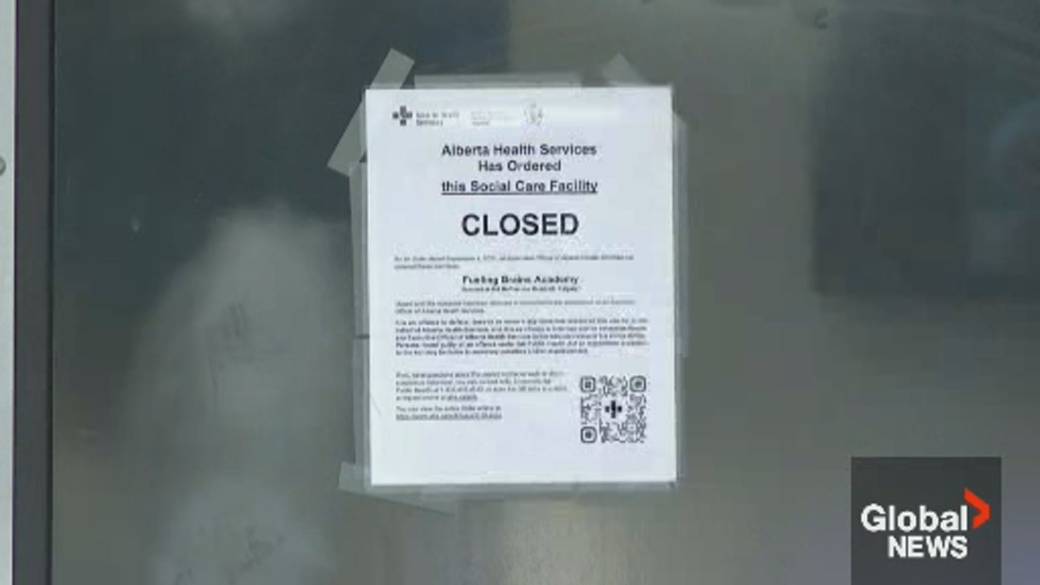
    Alberta Health Services has declared an E. coli outbreak at six Calgary daycares and five additional sites “that share a central kitchen.”


    Click to play video: 'E. coli outbreak: Calgary mother blasts ‘morally corrupt’ child-care provider'


    E. coli outbreak: Calgary mother blasts ‘morally corrupt’ child-care provider


    AHS confirmed the outbreak last week.

    Story continues below advertisement

    As of Sept. 14, AHS said that there were 329 lab-confirmed cases linked to the outbreak. Thirteen patients are currently in hospital care, all of which are children.

    Eight children have been discharged since yesterday and are now recovering at home.

    A total of 20 patients — 19 children and one adult — have now been discharged from hospital since the beginning of the outbreak.

    There are 22 secondary transmissions, all of which are linked to the outbreak through shared households.

    The public health authority said 11 total sites have had a closure order issued.

    Symptoms of an E. coli infection can include fever, abdominal pain, vomiting and watery or bloody diarrhea. Severe illness can sometimes require hospitalization.

    Story continues below advertisement

    Dean Dodge is the CEO for the YMCA in Saskatoon and said they have over 300 kids in their licensed childcare.

    “We have childcares that are 35 spaces up to 90 spaces,” Dodge said.

    He said they have breakfast, lunches and snacks throughout the day for their kids which is prepared by professional cooks.


    Click to play video: 'Parents question government’s role in childcare safety after E. coli outbreak'


    Parents question government’s role in childcare safety after E. coli outbreak


    “It’s a highly regulated industry.”

    He said the situation in Calgary was incredibly disconcerting, noting over 300 families were impacted.

    “The food that we produce stays in that centre. We don’t transport food, which there’s a risk to transporting food.”

    He said if children are sick they don’t come to childcare, and if a child gets sick at childcare parents are contacted by staff to make sure the child gets taken care of.

    Story continues below advertisement

    Dodge explained that they go through licensing and inspection each year, calling it a very extensive process.

    He said the inspection entails things like furnace and boiler inspections, fire extinguisher inspections, and kitchen and food handling inspections.

    “We work regularly with the ministry, consultants and staff every month, every week of the year on all the different pieces that we do.”

    He said inspections are usually scheduled, but noted inspectors will pop in unannounced from time to time as well.


    Click to play video: 'E. coli crisis sparks acts of kindness in Calgary daycare community'


    E. coli crisis sparks acts of kindness in Calgary daycare community


    He said meals follow the Canadian Food Guide, adding that the community has become very diverse and that there is much more variety with meals over the last five years.

    Global News reached out the Ministry of Health and received a statement.

    Story continues below advertisement

    “Licensed child care centres are inspected annually by Saskatchewan Health Authority Public Health Inspectors. General sanitation, infection control measures, and food services are assessed during inspection based on established criteria,” the statement reads.

    The ministry noted that child care facilities in Saskatoon that are affiliated with the ones that were shut down in the Calgary area were inspected within the last two weeks, but noted there were no issues detected.

    “If an issue is found during a child care centre inspection, it is indicated on the centre’s physical license available publicly within the centre.”

    — With files from Global News’ Adam Toy

    &copy 2023 Global News, a division of Corus Entertainment Inc.

    Sask. woman stranded 600 kilometres from home while being refused care in Manitoba hospital

    0

    “I’m praying I will be home by Christmas, but at the rate we are going, I’m not sure.”

    Saskatchewan woman Maureen McBratney from Denare Beach is currently 600 kilometres from home. After her kidneys began to fail in June she was rushed to Flin Flon General Hospital — a 20-minute drive from her home.

    She was then flown 600 kilometres away to Saskatoon to receive the initial emergency dialysis treatment.

    McBratney is not able to return home to become an established as a dialysis patient in Flin Flon without a Manitoba healthcard.

    “It’s not the same as being there with your support system,” McBratney said. “We can talk on the phone and we can video call but it’s not the same as having your daughter give you a hug in person or your grandson wrapping his little arms around your neck.”

    Story continues below advertisement

    McBratney’s daughter Paige Baschuk, has been helping push Saskatchewan and Manitoba to create an agreement between the provinces so those with Saskatchewan residency can access the border town’s dialysis location.

    Baschuk said the response to her letter was positive and the family spoke on the phone with the Northern Regional Health Authority shortly after in mid-August.

    “The right people responded, we felt like this was on track, we kind of let it go a little bit,” Baschuk said.

    They left feeling positive and reassured that the issue would be fixed and McBratney would soon be receiving care closer to her family.

    Two weeks later, the family received bad news on a phone call, saying McBratney would have to stay in Saskatoon.

    In the meantime, the McBratneys have been staying in a friend’s vacant home while they are away.

    “Not only is this an emotionally charged situation, but this is also financially charged for us,” McBratney noted. “It costs money to live here, in the city. We can’t stay here for free.”

    She said they also continue to pay their bills in Denare Beach.

    “We still have a hydro bill, we still have to pay taxes and everything else on our home that everybody else does. We were hoping to be home so we didn’t shut anything off.”

    Story continues below advertisement

    Baschuk said that last they heard, different levels of government will be meeting throughout the month of October to address the policies and McBratney’s situation.

    “The goals that they are working towards now is that mom can come home for a week here and a week there so that she can be home for Christmas.”

    When Global News asked Manitoba Shared Health about McBratney’s situation, they confirmed that they are working towards a solution.

    “We understand the desire for patients to access the care they need at a site that is closest to their home. Current regulations, including professional licensing restrictions for physicians and staff, govern how and when provincial health care can be delivered to patients living in another province,” read a statement from Shared Health.

    “While current regulations do not allow for Creighton residents to access ongoing dialysis care in Flin Flon, efforts are underway to explore future opportunities for collaboration with our Saskatchewan counterparts.”

    The Saskatchewan Health Authority (SHA) said they are included in the collaboration efforts as well.

    “Each province may use its discretion when accepting the ongoing care of out-of-province patients who require hemodialysis services. Saskatchewan and Manitoba have a separate agreement in place for patient access to the Flin Flon Hospital once Manitoba admits them to the program,” read a statement from SHA.

    Story continues below advertisement

    They said they are currently working with the Saskatchewan Ministry of Health, Manitoba Northern Regional Health Authority and Manitoba’s Renal Program to discuss a special arrangement for hemodialysis care.

    &copy 2023 Global News, a division of Corus Entertainment Inc.

    Regina residents upset after learning long-term care home plans to end services

    0

    Regina residents are disappointed after learning the Eden Care Communities (ECC), on behalf of the Regina Lutheran Home (RLH), has made the business decision to end its long-term care services agreement with the Saskatchewan Health Authority (SHA) effective April 11, 2024.

    In a statement from the SHA on Sept. 27, 2023, the decision was made solely by ECC prior to involving the SHA or provincial government.

    “The SHA acknowledges ECC’s decision to no longer provide LTC services and appreciates the decades of service the Regina Lutheran Home has provided to the people of Saskatchewan as a valued and respected affiliate long-term care partner in Regina,” the statement read.

    ‘”The SHA has decided not to pursue purchase of the property at this time. Given the current building is at the end of its lifespan, the SHA determined it may require further assessment and potentially significant repair work.”

    Story continues below advertisement


    Click to play video: 'Specialized long-term care facility site selected in Regina'


    Specialized long-term care facility site selected in Regina


    SHA stated they along with ECC are working together on this transition of care for residents and that plans are being developed to move all current residents to other homes as appropriate spaces become available.

    “We will work with residents and their families individually to consider their options and support appropriate placement within Regina over the next few weeks,” the statement read.

    The RLH is home to 62 residents. The family of one resident is disappointed as their loved one, who has Alzheimer’s, will have to start all over in another facility.

    “I am very dismayed to hear the Lutheran Home is to be shut down and the residents moved to who-knows-where,” stated Todd Miki, in an email statement to Global News.

    “We were told back in April or May that changes were coming to the care home, but I never for a second thought my mother would have to be relocated to another facility.”

    Story continues below advertisement

    Miki’s mother, Joanne, has been a resident at the RLH for many years where she has received care that is described as “splendid and second to none.”

    “I can say without a doubt the care my mother receives at the Lutheran Home is top-notch, and I personally will miss seeing them every weekend when I make my visits to see my mother,” the statement read.

    “I’m very upset about this upcoming change, but I can only hope and assume it’s being done for good reason.”

    A continuing care aide (CCA) at the RLH, who is also the first vice-president with CUPE that covers the former Regina Qu’Appelle Health Region, says it’s a small home-like facility that has many long-term staff employed who did not expect to hear the news.

    “Everybody is devastated about the news,” said Darlene Gilewich, who has worked at RLH for over 39 years.

    “They’re very worried about where their residents are going to be going and the care that they’re going to receive.”

    Gilewich said this move will mean a lot of layoffs and says they have approximately 100 CUPE members that will be laid off.

    “This is going to have a big effect in the city (and) in the Regina area,” said Gilewich. “I feel awful for all the residents who are going through this. All the staff do. We care for our residents. They’re like family to us. We’re their family.”

    Story continues below advertisement

    Global News reached out to ECC on behalf of RLH but did not hear a response by publication.

    &copy 2023 Global News, a division of Corus Entertainment Inc.

    Saskatchewan Ministry of health encourages those eligible to get new COVID-19 booster

    0

    Saskatchewan’s Ministry of Health is encouraging residents who are eligible to get the new COVID-19 booster to help reduce their risk.

    The government is offering the new Moderna bivalent booster, which became available Tuesday, Sept. 19, to those over the age of 70, and residents over the age of 50 in First Nations and Métis communities.

    “If you’re vaccinated, the likelihood of getting COVID is infinitely lower, and even if you do get it, it’s more likely to be a milder illness than if you were unvaccinated,” says Dr. Saqib Shahab, chief medical health officer.

    This new booster became available after more than 11 outbreaks in long-term care homes in just the month of September.

    Story continues below advertisement

    However, Shahab says they saw fewer and fewer people get the previous booster.

    “The uptake for the booster was slightly lower, especially in the younger people,” Shahab says.

    Shahab says when the new shot is available for everyone, the choice is all dependent on your situation.

    “Most of us have had a vaccine, many of us have actually had COVID over the last year or two. So really, I think it depends on your own personal assessment of your risk factors. Or do you live with someone at high risk? Or do you want to avoid getting COVID or influenza while you’re travelling? So I think it’s very much now a personal decision,” Shahab says.

    When Global News asked if boosters will become annual, like influenza shots, Shahab said it’s “hard to say.”

    “We definitely recommend the COVID vaccine along with the influenza vaccine that will be recommended every year. I think we’ll have to follow the science and the epidemiology so we’ll need to monitor COVID just like we monitor influenza and other respiratory viruses and advise accordingly,”  Shahab says.

    Neither the Saskatchewan Health Authority nor the Mental Health Ministry could confirm when the boosters will be available to the general public.

    &copy 2023 Global News, a division of Corus Entertainment Inc.

    Some parents and teachers concerned as Sask. pronouns policy set to be implemented

    0

    New education policies from the Sask. Party government are on the horizon as the province looks to start the legislature early on Tuesday to invoke the notwithstanding clause and push through their policies.

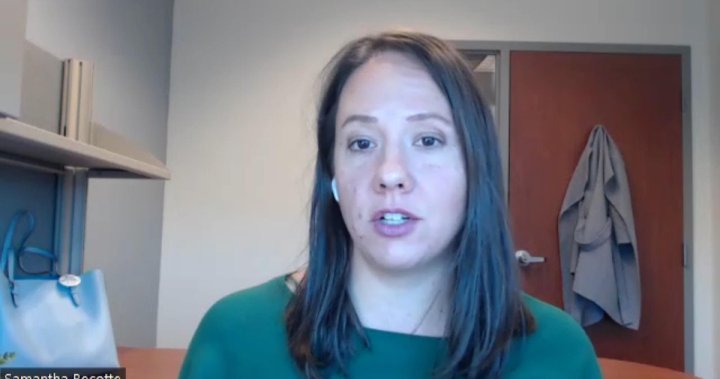
    But with these policies come fear and confusion, as Saskatchewan Teachers Federation president Samantha Becotte said many teachers and parents have shown concern about how this will impact students, particularly the most vulnerable.


    Click to play video: 'Moe defends decision to recall assembly over pronouns policy'


    Moe defends decision to recall assembly over pronouns policy


    “We want to ensure that classrooms are safe and caring learning environments where all students are welcomed and feel safe to express themselves,” Becotte said.

    Story continues below advertisement

    Former education minister Dustin Duncan announced back in August new education policies that would require parental permission if a child under the age of 16 wanted to go by a different name or pronouns.

    The policies also require parents to be informed about the sexual health education curriculum and parents will have the option to have their child opt out of those classes.

    Lastly, the policies called for school boards to stop their involvement with third-party organizations connected with sexual health education as the ministry reviewed educational resources.

    Only teachers and professionals employed by government ministries or the Saskatchewan Health Authority would be able to present sexual health material.

    Many organizations contested these policies, with a Saskatchewan judge granting an interim injunction and Premier Scott Moe vowing to use the notwithstanding clause to override that injunction and make sure the policies were put in place.

    Becotte said she doesn’t see why there’s a rush to implement these policies, adding there’s an underlying message that comes with them that teachers are also concerned about.

    “It’s this false narrative that is being spread by the government that teachers can’t be trusted, and that teachers aren’t professionals and aren’t doing what is best for kids.”


    Click to play video: 'Scott Moe vows notwithstanding clause after judge halts pronoun policy'


    Scott Moe vows notwithstanding clause after judge halts pronoun policy


    Yorkton’s school division sent out leaflets back in September debunking myths about what takes place in the classroom — one of the stranger myths being the claim that students are allowed to be “furries” in school and are able to use litter boxes instead of washrooms.

    Story continues below advertisement

    “We are hearing these misconceptions from various sources including social media platforms, community forums, and in some instances, direct communications with concerned individuals,” said Quintin Robertson, representative for Good Spirit School Division, back in September.

    Yorkton’s school division isn’t the only school dealing with these kinds of rumours, with the Saskatchewan School Boards Association saying back in September that other divisions are dealing with the same kind of misinformation.

    Becotte called those narratives conspiracies, adding that the underlying message around the pronouns policy felt similar.

    “I just see it as a tactic from this government to mislead the public about the realities of public education.”

    She speculated whether this was possibly an attempt to further privatize the education system in the province.


    Click to play video: 'Premier Moe ‘dismayed by judicial overreach’ in pronoun policy halt, vows to pass legislation'


    Premier Moe ‘dismayed by judicial overreach’ in pronoun policy halt, vows to pass legislation


    Saskatchewan’s education system allows for independent schools to receive government funding if they meet certain criteria, falling under the label of Qualified Independent Schools.

    Story continues below advertisement

    The Saskatchewan Distance Learning Centre was also created recently as the province’s newest Crown corporation, offering students a means to access school courses remotely through that corporation.

    “We have seen that trend here in Saskatchewan.”

    Becotte said the government is creating different education options and has created legislation for further options, “and then sowing those seeds of division and undermining the public’s trust in public education.”

    She said public education is the best option for this province, noting it creates future success for all kids, rather than creating a system where there are haves and have-nots.

    As a parent, Becotte said she worries about what her children’s experience will be in the public education system 10 years down the road.

    Looking forward to the implementation of the new education policies, Becotte said teachers haven’t had much direction from school divisions or the Ministry of Education, noting it has many worried.

    She said the policy to pause all third-party presentations regarding sexual health education was fairly clear, but added even that has created further questions about what qualifies for sexual health education.

    “Teachers have asked me, what is considered sexual health education? Is it Science 9, that talks about reproduction, which includes contraceptive techniques? Those science topics, are those considered sexual health? Is it the healthy relationships conversation, and consent conversations?”

    Story continues below advertisement


    Click to play video: 'Sask Party using ‘powers of government to bully vulnerable kids’, Saskatchewan NDP says'


    Sask Party using ‘powers of government to bully vulnerable kids’, Saskatchewan NDP says


    Becotte said there’s still a lot of confusion around those guidelines, which she added have not been provided to teachers by school divisions.

    She said school divisions are in a position where they have to take a close look at their policies, adding that many current policies will contradict these new upcoming ones.

    “Many school divisions across the province have policies around supporting student learning that involves including or engaging with organizations in the community. They have policies around creating safe and caring learning environments.”

    She said this leaves teachers in a difficult position of not knowing what the correct thing to do is.

    Becotte said some teachers are questioning whether they should be following the Ministry of Education and school division, or upholding child student rights.

    Story continues below advertisement

    Part of Duncan’s announcement was that parents would now be allowed to have their kid opt out of sexual health education, but Becotte said that’s always been an option.

    “It has always been in place, it’s in division policies.”

    She said it’s also regular practice for teachers to update parents on what is going on in the classroom, noting she would reach out to parents, letting them know when they’d start trigonometry and when the assessment dates were.

    “I get a newsletter from my children’s teachers on a monthly basis as well as I get updates throughout the month on what’s happening in the classroom.”

    Becotte said she hasn’t seen a single teacher in the province push parents away, noting they welcome conversations with them.

    “It’s part of our professional responsibility to communicate home with parents.”


    Click to play video: 'Q and A: Psychiatrist weights in on Saskatchewan’s new pronoun, sex ed policies'


    Q and A: Psychiatrist weights in on Saskatchewan’s new pronoun, sex ed policies


    She said there are still some major concerns regarding public education in Saskatchewan that people should be worried about, but added that these new policies aren’t aimed at solving them.

    Story continues below advertisement

    “We have a near crisis in many of our divisions due to chronic underfunding that continues to happen and we have a lack of resources and supports despite the messages that we’re hearing from some of those political leaders, whether it’s the minister of education or the premier of this province, that say students will be wrapped in supports. Those supports in many areas of this province do not exist.”

    The Sask. Party had said that with the new pronoun policy, supports would be available for kids to get them to a point where they feel comfortable coming out to their parents if they say they don’t feel comfortable getting parental permission for different names or pronouns.

    Global News reached out to the Saskatchewan School Boards Association, but it said due to the matter being in front of the court, it couldn’t comment at this time.

    Global News also reached out to the Ministry of Education for comment regarding the education policies and was directed to comments Premier Scott Moe has previously made regarding the issue.

    Moe claimed that these education policies will create clarity for parents and teachers, as well as build a more responsive education system.

    When asked why more consultation wasn’t done with experts regarding child impact or legal experts regarding the legislation, Moe said a lot of discussions happened between MLAs and parents.

    Story continues below advertisement

    He said there is an opportunity within a short period of time for the government to look at the existing supports in place for students, adding they’ve been looking at things like rapid access counselling services.

    Moe said school divisions are working on their implementation plans.

    When asked about what sort of guidelines schools have received regarding the pause on third-party organizations presenting sexual health material in classrooms, the province added a statement.

    “It was directed on Aug. 22, 2023, that boards of education must immediately pause involvement with any third-party organization connected to sexual health education as the ministry undertakes review of educational resources to ensure alignment with curriculum outcomes,” the government said. “Only teachers, not outside third parties, will be able to present sexual education materials in the classroom. This directive does not include professionals employed by government ministries or the Saskatchewan Health Authority.”

    “There were no changes made to the curriculum as a result of the new policies. Sexual assault prevention education will continue to be taught by teachers as part of the curriculum,” the statement said.

    — with files from Global News’ Brooke Kruger