spot_img
Saturday, February 28, 2026
More
    spot_img
    Home Blog Page 4

    Jim Pattison Children’s Hospital Neonatal Intensive Care Unit Reunion celebrates strength and connection

    0


    Families gathered for a heartwarming reunion that brought together children who once depended on the Neonatal Intensive Care Unit at the Jim Pattison Children’s Hospital and the dedicated teams who supported them.

    Held at the Nutrien Wonderhub, the Jim Pattison Children’s Hospital Neonatal Intensive Care Unit Reunion 2025 offered families the chance to reconnect with caregivers, share experiences, and show how much their children—ranging from energetic toddlers to school-aged Neonatal Intensive Care Unit graduates—have grown. Parents reunited with the staff who walked with them through some of their most challenging days.

    “The NICU reunion events give families and staff a chance to reconnect and celebrate,” said Dr. Ann Donovan, Neonatal Intensive Care Unit physician at Jim Pattison Children’s Hospital.

    “A special bond is formed when you help a new baby and their family through a difficult time. Through these events, we build community between families who had a baby in the Neonatal Intensive Care Unit. It also re-energizes our staff to see the amazing little people they helped after they have gone home. We hope to continue to celebrate together for years to come!”

    For families, the event highlights milestones once hoped for; for staff, it is a powerful reminder of the impact of their care. The reunion celebrates resilience and strengthens a community built on compassion and shared experience.

    From left: Neonatal Intensive Care Unit graduate, Keaton Andre, with his family. Neonatal Intensive Care Unit staff members: Back row (from left): Candace Luciak, Shannon Willard, Rafaella Sakai Guerra, Dawn Erker, Ashley Skafel, Brooke Sterling, Chelsea Eason, and Molly McGillis. Front row: Connie Wormsbecker, Sarah Kotyk, Cara Galambos, Morgan Therres, Mikayla Nystuen, Jennifer Parson, Diane Denny, and Kristi Trevors. 


    Source link

    Increased access to HIV self-testing kits in Saskatchewan now available

    0


    Saskatchewan residents now have increased access to free Human Immunodeficiency Virus (HIV) self-testing kits. By reducing barriers to accessing these kits, Saskatchewan health-care teams are at the forefront of actively working to help reduce the stigma of having and testing for HIV.

    “Our government is committed to making HIV testing easier and more accessible for everyone in Saskatchewan,” Mental Health and Addictions Minister Lori Carr said. “By expanding access to free self-testing kits, we are empowering people to take control of their health, supporting earlier diagnosis, and helping to reduce the stigma often associated with HIV. This investment strengthens our ongoing work to ensure all residents can access the care and supports they need, when and where they need them.”

    With the support of $48,000 in funding from the Government of Saskatchewan, the Saskatchewan Health Authority (SHA) is making it easier to access free HIV self-testing kits; kits can be picked up by members of the public at a variety of SHA locations, community-based organizations, First Nations nursing stations, pharmacies, medical clinics and post-secondary institutions. A complete listing of locations providing HIV self-testing kits is available online here.

    “The ability to self-test for HIV empowers individuals to take charge of their health in a private, convenient and accessible way,” said Jacqui Kennett-Peppler, Executive Director of Primary Health Care Southeast, SHA. “Quick and confidential testing supports early diagnosis, which is essential for connecting people to care, initiating treatment sooner and ultimately improving health outcomes. This initiative reflects our commitment to reducing barriers and promoting equitable access to care for all Saskatchewan residents.”

    The HIV self-testing kits are a safe and reliable way to test for HIV at any time or location that is convenient. The kit only requires a small sample of blood from a fingertip to deliver accurate results in one minute. Positive results must be confirmed through additional in-person testing, which is free, confidential and available across the province. 

    Any community-based organization or partner interested in becoming a distribution site can complete the HIV Self-testing Kit Program Application Form. Information about HIV and testing, including testing locations, is available at www.saskatchewan.ca/residents/health/diseases-and-conditions/human-immunodeficiency-virus-hiv/hiv-testing and www.saskatchewan.ca/hiv.


    Source link

    Rural health care teams supporting care close to home

    0


    With the help of point-of-care testing in rural emergency departments, local care teams are focused on strengthening access to essential emergency health care across several rural communities.

    Point-of-care testing in rural emergency departments is a strategy aimed at reducing service disruptions when regular lab services are unavailable.

    “Having point-of-care testing technology accessible when needed is not just about equipping our team, it’s about supporting our community.” said Tracy Gulka, Health Services Manager at Kamsack Hospital. “I’m proud of our local health-care team who does what it takes to maintain access to emergency department services and ensure their community members can access care when they need it.”

    Since 2023, the innovative strategy has been implemented in a total of eight rural communities, most recently Herbert, Shellbrook, Watrous, and Kipling, and soon Rosthern, Assiniboia, and Esterhazy, and has safely helped to avoid 214 potential emergency department service disruptions, as of November 24, 2025.

    The Saskatchewan Health Authority appreciates the dedicated health-care team members in these rural communities who perform vital tests and deliver timely results, helping keep emergency department services available for patients.

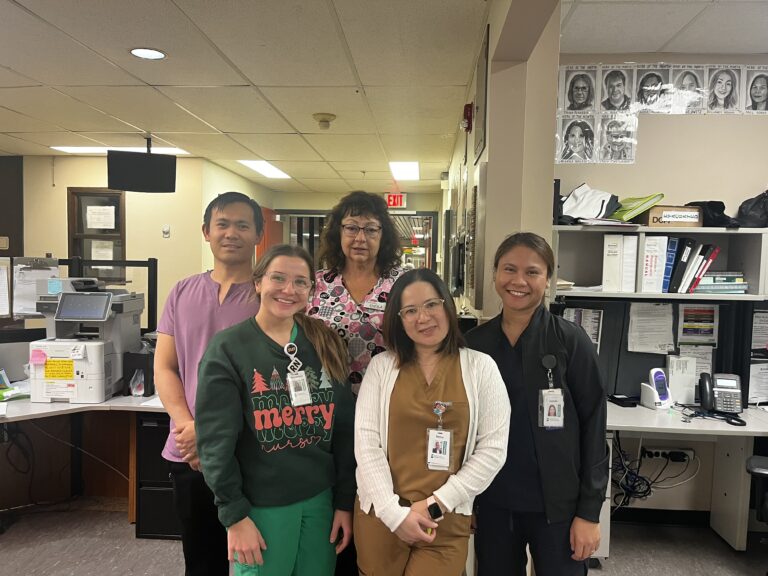
    The health-care team in Kamsack has been using point-of-care testing in the Kamsack Hospital emergency department since April 2025. Back row (from left): Ronald Baynosa, Continuing Care Assistant; Sheila Bear, Registered Nurse. Front row (from left): Mackenzie Dull, Registered Nurse; Delsie Putong, Licensed Practical Nurse; Juvelin Blanca, Registered Nurse.


    Source link

    Families finding strength, compassion and community in face of addiction

    0


    When Ramona (name changed) was overwhelmed by the realities of her son’s struggle with addictions, the Mental Health and Addiction Adult Family Program provided her with a lifeline. 

    “I was skeptical but I knew I couldn’t continue to deal with everything alone,” she said.

    The Saskatoon-based Adult Family Addictions Program provides Saskatchewan families of adults with mental health and addictions challenges with education, counseling and resources to gain understanding, heal and support their family members’ recovery.

    A referral from her son’s addiction worker connected Ramona to a counsellor in the Adult Family Program – a support system she has continued to lean on for more than 26 years. She now gives back as a peer supporter, facilitating sessions for others experiencing the same roller coaster of emotions that Ramona faced. Through individual appointments, educational and group sessions, Ramona has found strength, compassion and community.

    “I am a firm believer in learning, compassion and support, and the Adult Family Program helped me embrace all three.”

    Today, Ramona’s adult children live with continuing challenges. Thanks to the Adult Family Program, she is confident in her ability to cope and support them while caring for herself.

    “I can’t say enough about how much this program has helped me during this difficult journey,” Ramona said. “I am stronger, more compassionate, understanding and a better parent because of the help I received.”

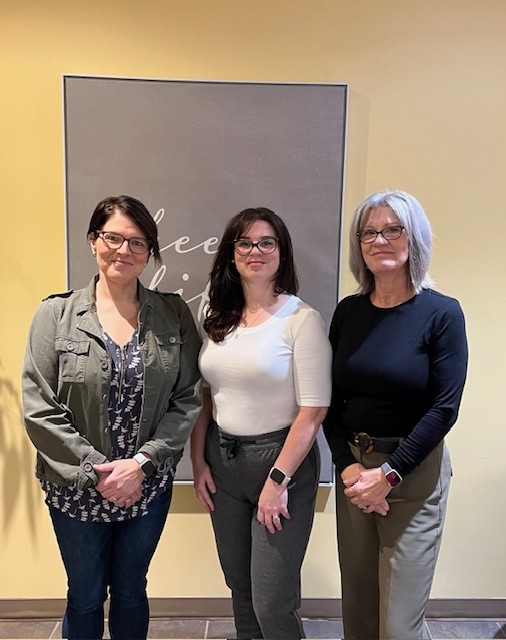
    From left: Dione Fleury, Addiction Counselor; Dana McHattie, Addiction Counselor Senior; and Brenda McAllister, Manager, Adult Community Mental Health and Addiction Services – Saskatoon provide support and resources for adult family members of individuals struggling with mental health and addictions through the Saskatoon-based Adult Family Treatment program. Services are accessibly virtually to support adult family members from across the province. 


    Source link

    Point of Care Testing program to be introduced to Kipling and three other communities

    0


    News Release

    Provincial

    Assiniboia

    Esterhazy

    Kipling

    Rosthern

    The Saskatchewan Health Authority (SHA) continues to strengthen access to rural emergency departments through the innovative point-of-care testing program. With the point-of-care testing program, trained health-care team members conduct rapid, on-site diagnostics for urgent tests so rural emergency departments can continue delivering timely patient care when lab professionals are unavailable.

    The SHA recently extended point-of-care testing in Herbert, Shellbrook and Watrous. Over the coming weeks, the SHA is expanding the program further to include emergency departments in Kipling, Rosthern, Assiniboia, and Esterhazy through targeted investments from the Government of Saskatchewan. Emergency departments in Leader, Maple Creek, Wynyard, Kamsack and Shaunavon continue to actively use point-of-care testing when needed, ensuring residents in those communities benefit from seamless access to local emergency health services.

    “Expanding point-of-care testing to more emergency rooms in rural communities in Saskatchewan means more patients will receive faster diagnosis and treatment closer to home,” Seniors and Rural and Remote Health Minister Lori Carr said. “We are thankful to all of our health care teams who are adopting this innovative approach to healthcare delivery that ensures necessary lab tests can continue to take place, ensuring improved outcomes for patients accessing emergency care.”

    Since it was first introduced in 2023, point-of-care testing has supported local health-care teams in providing on-site emergency department services and as of November 24, 2025, has prevented 214 potential service disruptions. 

    “Point-of-care testing acts as an interim solution to support local health-care teams and physicians in making clinical decisions in emergency situations, ensuring that patients benefit from timely access to critical testing and prompt treatment as close to home as possible,” said Bryan Witt, Vice President of Provincial Clinical and Support Services, SHA. “We are grateful to our local health-care teams who are working hard to minimize service disruptions and ensure emergency department services remain available to Saskatchewan residents.”

    Point-of-care testing results for critical diagnostics are delivered to physicians for assessment in under 30 minutes. There are several tests that can be performed using point-of-care testing technology, which include but are not limited to:

    • hemoglobin to evaluate anemia and blood loss;

    • white blood cell counts to determine the presence of infection;

    • urinalysis for assessing kidney function and detecting urinary tract infections; and,

    • cardiac markers to evaluate heart health.

    Laboratory services are one of several components required to keep emergency departments operational. Together with the Virtual Physician program, which provides on-demand remote physician support when on site physicians are unavailable, the point-of-care testing program is part of an overall strategy to enhance access to rural and remote emergency departments while the SHA and provincial government remain committed to recruiting staff to rural laboratories.

    Point-of-care testing will be available in Kipling by the beginning of December. All other communities will continue to be notified when point-of-care testing is available in their area. 


    Source link

    Diabetes education creates path to transplant

    0


    Story

    Acute Care

    Chronic Disease Management

    Primary Health Care

    For Chad Clements, a routine medical test before a snowmobiling trip led to an unexpected diabetes diagnosis. “It was lifechanging. I was adventurous – sledding, quadding, outdoors stuff. Now I can’t do any of it.”

    Within three years, Clements needed home dialysis seven days a week for ten hours a day. Today, he receives in-hospital dialysis four hours daily, three days a week.

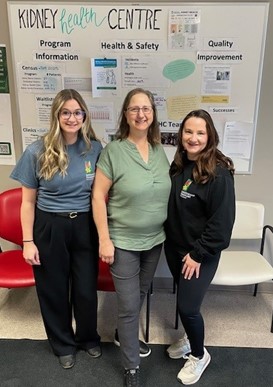
    “Chad wasn’t aware of how uncontrolled his diabetes was because his post-dialysis glucose readings looked fine,” explained Laurelle Pachal, a Diabetes Nurse Educator with the Saskatchewan Health Authority (SHA) Kidney Health Program.

    Clements’ goal is a kidney transplant but high blood sugar levels jeopardized his eligibility due to the higher risk of poor post-surgical outcomes.

    To help, the Regina pre-transplant team collaborated with Pachal. She provided a glucose monitor and insulin. Within three weeks, his blood sugar levels dropped significantly, nearing target range.

    “Education and the real-time glucose data completely turned things around for him,” Pachal said. Clements continues to improve, frequently meeting his blood sugar targets and reducing high readings by almost 30 per cent early on.

    Lowering his blood sugars reduces the chance of surgical risks which moves Clements closer to securing a spot on the transplant list. “If (Pachal) had been with me right from the start, I probably wouldn’t have spent so many years struggling to get my diabetes under control.”

    For conditions like diabetes, regular screenings and risk assessments are key to staying informed and taking proactive steps toward managing your health. Make preventative care a priority – stay connected with your health-care provider through regular visits to monitor your health. 


    Source link

    New room service model serving wellness at Jim Pattison Children’s Hospital

    0


    First Nations and Métis Health

    Maternal and Children’s Programs

    Patient and Child Experience

    SHA Values

    Expectant moms and kids staying at Jim Pattison Children’s Hospital now experience a fresh approach to mealtime with the introduction of Ready Set Eat, an innovative new food service approach that prioritizes patient choice, nutrition and healing.

    Through the program, pediatric and maternal patients can order freshly prepared, nutritious meals from a menu that reflects local, seasonal and cultural preferences. Thanks to generous, one-time funding of $554,711 from the Jim Pattison Children’s Hospital Foundation, in partnership with the Thistledown Foundation, the Saskatchewan Health Authority has launched this innovative approach to help patients feel more at home while they heal. 

    Earlier this year, Nicole Ferguson’s son Jaxon was hospitalized at Jim Pattison Children’s Hospital. During their stay, the Ready Set Eat program provided Nicole and her family with comfort during uncertain times. 

    “We were able to work with our health-care team without worrying about what Jaxon was going to eat or if he had enough of the things he liked to eat,” she said. Nicole and Jaxon share more about their experience in this video.

    The introduction of Ready, Set Eat reflects the SHA’s commitment to its CARES values – compassionate response to meeting patient needs with equitable access to food that is respective of their personal and cultural preferences.


    Source link

    Room service model improving mealtime at Jim Pattison Children’s Hospital

    0


    Expectant moms and kids staying at Jim Pattison Children’s Hospital will experience a fresh approach to mealtime with the introduction of Ready Set Eat, an innovative new food service approach that prioritizes patient choice, nutrition and healing.

    “Involving children and families in decisions about their care creates a supportive environment for their recovery,” Health Minister Jeremy Cockrill said.

     “Thank you to the Jim Pattison Children’s Hospital Foundation, the Thistledown Foundation and all of their generous donors for enabling us to provide this innovative service that puts patients and their families first.” 

    The new program is made possible thanks to $554,771 in generous one-time funding from the Jim Pattison Children’s Hospital Foundation, in partnership with the Thistledown Foundation.

    “By working together with the Jim Pattison Children’s Hospital Foundation and the Thistledown Foundation, we’re improving the hospital experience for children and families through the introduction of the Ready Set Eat program,” said Andrew Will, CEO of the Saskatchewan Health Authority. “This innovative approach to food services supports better nutrition, comfort, and recovery by making mealtime more flexible, more personal, and centered on patient’s food preferences.”

    Through Ready Set Eat, meals are freshly prepared and tailored to meet local, seasonal and cultural food preferences. Meals are also delivered when patients are ready to eat rather than at fixed times, providing more flexibility. 

    “Jim Pattison Children’s Hospital Foundation, the Thistledown Foundation, and generous donors across Saskatchewan are proud to fund this incredibly innovative program,” says Troy Davies, CEO of Jim Pattison Children’s Hospital Foundation. “The children at Jim Pattison Children’s Hospital are going through some of the toughest times in their lives. To give them the freedom to choose when and what they want to eat provides a sense of normalcy, helping our young patients feel a little more at home while they heal.” 

    The introduction of Ready Set Eat is another way the SHA is responding to patient and family needs and improving the hospital experience.   

    See more about the new model in this video


    Source link

    Helping families supporting loved ones in recovery

    0


    Story

    Mental Health and Addictions

    When a loved one is struggling with mental health and/or addictions, it can leave family members feeling helpless, fearful and overwhelmed.

    Saskatchewan families of adults experiencing mental health and addiction challenges don’t have to face the journey alone.

    The Mental Health and Addictions Adult Family Program offers education, counselling, and resources to help families gain understanding and heal while actively supporting recovery.    

    “Families are often unwavering in their commitment to provide a stable, encouraging environment to support their loved one’s recovery,” said Brenda McAllister, Manager, Saskatchewan Health Authority (SHA) Adult Community Mental Health and Addictions -Saskatoon.

    The Adult Family Program offers connection, shared understanding, and practical tools to help participants navigate their own unique family situations by learning to:

    • Build emotional resilience;
    • understand and increase awareness of mental health and substance use disorders, their interactions and treatment options;
    • de-escalate crises, suicide prevention, and navigate mental health warrants;
    • support recovery practice self-care;
    • access and navigate mental health and addiction services;
    • reduce stigma about mental illness; and
    • respond to intense emotions, set boundaries, and maintain personal wellbeing while supporting loved ones. \

    Family members from across the province can access the program virtually for guidance and support by calling Saskatoon’s Mental Health and Addictions Services Centralized Intake at 306-655-7777. 


    Source link

    Online booking for lab appointments now available in Cupar, Regina Beach, and Southey

    0


    News Release

    Local

    Regina/Saskatoon

    Cupar

    The Saskatchewan Health Authority (SHA) continues to expand its online Patient Booking System for lab appointments to book blood and urine collection, electrocardiograms (ECGs) and glucose intolerance testing online, where available. Cupar, Regina Beach, and Southey are the latest communities to have access to the Patient Booking System.

    Booking opens for all three communities on November 17, with appointments available in Cupar starting November 24, in Regina Beach beginning November 26, and in Southey starting November 28.

    The SHA Patient Booking System is the fastest way to book a lab appointment and is available 24 hours a day, seven days a week. To book your appointment using the online system, you need:

    If you do not see your desired appointment type or location, or if you require further assistance, call the Patient Booking System Call Centre Monday through Friday from 8:45 a.m. to 4:45 p.m. (closed statutory holidays) at 1-833-727-5829. Walk-in appointments will continue to be available on a first-come, first-served basis at all testing locations.


    Source link