Britain’s medicines regulator has authorized the world’s first gene therapy treatment for sickle cell disease, in a move that could offer relief to thousands of people with the disease in the U.K.
The agency approved the treatment for patients with sickle cell disease and thalassemia who are 12 years old and over.
Casgevy is made by Vertex Pharmaceuticals (Europe) Ltd. and CRISPR Therapeutics. To date, bone marrow transplants, extremely arduous procedures that come with very unpleasant side effects, have been the only long-lasting treatment.
“The future of life-changing cures resides in CRISPR-based [gene-editing] technology,” said Dr. Helen O’Neill of University College London.
Both sickle cell disease and thalassemia are caused by mistakes in the genes that carry hemoglobin, the protein in red blood cells that carry oxygen.
In people with sickle cell — which is particularly common in people with African or Caribbean backgrounds — a genetic mutation causes the cells to become crescent-shaped, which can block blood flow and cause excruciating pain, organ damage, stroke and other problems.
In people with thalassemia, the genetic mutation can cause severe anemia. Patients typically require blood transfusions every few weeks, and injections and medicines for their entire life. Thalassemia predominantly affects people of South Asian, Southeast Asian and Middle Eastern heritage.
How it works
The new medicine, Casgevy, works by targeting the problematic gene in a patient’s bone marrow stem cells so that the body can make properly functioning hemoglobin.
Patients first receive a course of chemotherapy to make space for the new cells. Then, doctors take stem cells from the patient’s bone marrow and use genetic editing techniques in a laboratory to fix the gene. The cells are then infused back into the patient for a permanent treatment.
WATCH | People with sickle cell disease could benefit from gene therapy, doctor says:
What happens in sickle cell disease
Featured VideoDr. Sarah Patterson on what causes red blood cells to become crescent shaped.
Patients must be hospitalized at least twice — once for the collection of the stem cells and then to receive the altered cells.
Britain’s regulator said its decision to authorize the gene therapy for sickle cell disease was based on a study done on 29 patients, of whom 28 reported having no severe pain problems for at least one year after being treated. In the study for thalassemia, 39 out of 42 patients who got the therapy did not need a red blood cell transfusion for at least a year afterwards.
Dr. Sarah Patterson, an assistant professor at McMaster University and a clinical hematologist, treats people with both blood disorders.
“I think this is monumental,” Patterson said. “We still need to make sure that we’re looking for those long-term outcomes and that we’re being thoughtful about this, but it’s so exciting.”
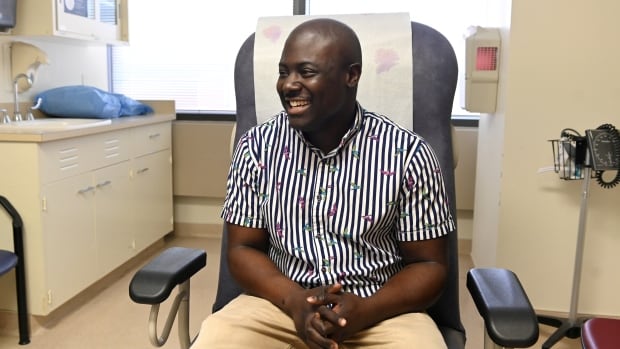
Lynndrick Holmes discusses his recovery from sickle cell disease after participating in a clinical trial at the U.S. National Institutes of Health Clinical Center in Bethesda, Md., in 2019. The first gene therapy for the disease has been approved in the U.K. (Erin Scott/Reuters)
Patterson said the treatment could be an option for those most sick from sickle cell disease, with multiple hospital admissions in a year.
“We want people who are sick enough that that can justify the use of those conditional therapies to make space in the bone marrow, but not so sick that the treatment is going to make them sicker. And that part is really tricky.”
Dr. Greg Guilcher, an associate professor of pediatrics and oncology at the University of Calgary, uses stem cell transplants in children with sickle cell disease. He welcomed the advance.
“Sickle cell disease is the most common genetic disease in the world,” he said. “We need more options because not everyone has a safe, curative option.”
Cost questions
Gene therapy treatments can cost millions of dollars and experts have previously raised concerns that they could remain out of reach for the people who would benefit most.
Last year, Britain approved a gene therapy for a fatal genetic disorder that had a list price of $3.5 million US. England’s National Health Service negotiated a significant confidential discount to make it available to eligible patients.
Vertex Pharmaceuticals said it had not yet established a price for the treatment in Britain and was working with health authorities “to secure reimbursement and access for eligible patients as quickly as possible.”
In the U.S., Vertex has not released a potential price for the therapy, but a report by the nonprofit Institute for Clinical and Economic Review said prices up to around $2 million US would be cost-effective. By comparison, research earlier this year showed medical expenses for current sickle cell treatments, from birth to age 65, add up to about $1.6 million US for women and $1.7 million for men.
Casgevy is currently being reviewed by the U.S. Food and Drug Administration; the agency is expected to make a decision early next month, before considering another sickle cell gene therapy.
Millions of people around the world, including about 100,000 in the U.S., and an estimated 5,000 to 6,000 Canadians, have sickle cell disease. It occurs more often among people from places where malaria is or was common, like Africa and India, and is also more common in certain ethnic groups, such as people of African, Middle Eastern and Indian descent.
Scientists believe being a carrier of the sickle cell trait helps protect against severe malaria.
White Coat Black Art26:30Ozempic: The good, the bad and the future
Despite widely publicized reports of rare but severe side effects, obesity doctors say Ozempic and drugs like it have the potential to improve medical help for a chronic illness that patients have been forced for too long to try to cure on their own.
“There are still some aspects of our health-care community that say, ‘this is not important, weight loss is not important; it’s just cosmetic and you’re really not improving the health of these people,'” said Dr. Daniel Drucker, a physician-scientist whose research helped pave the way for Ozempic, one of several brand names for a drug known as semaglutide. “But now I think that argument will be laid to rest.”
Ozempic and other drugs in its class are known as glucagon-like peptides, or GLPs. Because GLPs act to stimulate insulin secretion, the first was approved for use as a diabetes drug in 2005, said Drucker, who is a senior scientist at the Lunenfeld-Tanenbaum Research Institute at Mount Sinai Hospital in Toronto.
But it was actually back in the late 1990s that Drucker’s lab, as well as that of Dr. Steve Bloom in the U.K., began to publish what they’d observed in clinical trials — that patients treated with GLP medicines for their diabetes were also losing weight.
Now new data shows that semaglutide also reduces rates of heart attacks, strokes and death in people with pre-existing cardiovascular conditions, something Drucker told White Coat, Black Arthost Dr. Brian Goldman he believes will “change the conversation around the importance of treating people with obesity.”
Dr. Daniel Drucker, a physician-scientist whose research helped pave the way for Ozempic, says some members of the medical community still don’t take obesity seriously as a condition for which people need medical help. (Sinai Health System)
‘Not feeling hungry all the time’
Michael Morris, 58, says he’s been wrestling with his weight since he was a teenager.
“I’ve always gone up and down, yo-yo, every diet,” he said. When he needed a CPAP machine for sleep apnea about 18 months ago, he ended up in a program that supported him through some dietary changes to help address the apnea, along with his high blood pressure and cholesterol levels, and pre-diabetic blood sugar status. When Morris met with a doctor, he asked about Ozempic, and the two agreed he could give it a try.
Since then, Morris said he has gradually lost around 40 pounds and seen improvements in his other conditions as well.
Michael Morris says he has lost around 40 pounds since going on Ozempic about 18 months ago. (McLendon Photography)
“It’s like it changes … the way you think about food, like I’m not feeling hungry or ravenous all the time,” he said.
Before Ozempic, Morris said he could never tell when he was full.
“I know that’s probably hard for people to understand. I would eat stuff and then I would just keep eating, and then I got to the point where it made me feel sick. And then I’d be like, ‘Oh, I’m not doing that again.’
“I guess food, it’s like an addiction for me. And if you’re an alcoholic, people don’t say, ‘Oh, I’m just trying not to drink.’ There are programs and stuff.”
Dr. Sasha High, an internal medicine and obesity physician who works in private practice in Toronto, says genes shape how our brains respond to food and contribute significantly to obesity. (ELH Photography)
The genetic component
Dr. Sasha High, an internal medicine and obesity physician who works in private practice in Toronto, says it’s important to understand that not everyone experiences food in the same way.
“We know that 50 to 70 per cent of obesity is genetically determined and the genes involved are central nervous system genes, that means genes that control factors with our brain,” she said. These affect the way the brain responds to the food that’s around us, whether we have cravings for sugar or salty foods and whether we enjoy exercise. “All of that is kind of determined by our physiology.”
When High first started working in obesity medicine, she says there was little more than advice to eat less and exercise more that doctors could offer to patients. (Joel Saget/AFP/Getty Images)
That doesn’t mean weight is set in stone, said High, but it does mean there’s a range of what your body shape is going to look like, determined by your genetics and then by lifestyle choices.
When she started working in the area of obesity back in 2012, High said there wasn’t much doctors could offer beyond telling patients to eat less, exercise more and count calories.
That message is disempowering for people who have contended with obesity for a long time, she said.
“The issue is not that they don’t understand that they need to do that. The issue is that life gets in the way and stressers come and we eat because we are bored and we eat because we’re sad and we eat because it’s 9:00 at night and we’ve had a stressful day.”
Drucker said GLP medications work in two ways to tell patients that they’re not hungry. First, they tell the brain to physically slow the emptying of the stomach, and second, they affect the brain’s hunger signals, suppressing appetite.
Some of Drucker’s research was done in partnership with companies that produce or are working on weight-loss drugs, including Pfizer and Novo Nordisk.
On Nov. 11, the New England Journal of Medicine reported the results of a study on the safety of semaglutide in people with obesity who also had cardiovascular disease, said Drucker. On average, the patients received either semaglutide or a placebo for 34 months.
“It showed not only weight loss but reduced rates of heart attacks, strokes and death.”
However, some patients have experienced serious side effects, including stomach paralysis and malnutrition.
Pamela Cole is one of those patients. The 38-year-old from Marmora, Ont., initially responded well to the medication. But when her doctor increased her dose about eight months in, she started to get flu-like symptoms that escalated from there.
“I continued to get worse to the point I couldn’t eat anything without severe stomach pain,” said Cole. She wound up visiting the hospital four or five times in the space of two weeks, she said.
During the last of those visits, she was treated for severely low potassium levels that were impacting her kidney and liver function. A specialist eventually advised her to discontinue Ozempic, and after doing so, her symptoms resolved.
WATCH | Semaglutide linked to serious gastrointestinal problems:
Ozempic-class drugs linked to serious gastrointestinal risks, study suggests
In a statement, Ozempic manufacturer Novo Nordisk told CBC it stands behind the safety and efficacy of all of its GLP-1 medicines when used by appropriate patients consistent with the product labelling and approved indications.
Drucker said Cole’s experience is atypical next to research findings from eight large cardiovascular safety trials — some with more than 10,000 subjects — that ran over periods of two to six years.
“And what we see generally are favourable results. In those trials, we see a reduction in heart attacks, strokes, cardiovascular death … and we do not see an increase in cancer or an increase in pancreatitis,” he said.
However, he said it’s important to be cautious.
“With the newer, more powerful medicines and the expanding patient population, there is always the possibility to see something that we haven’t before.”
Dr. Nav Persaud, a family medicine physician at St. Michael’s Hospital in Toronto, told CBC in January that it wouldn’t be the first time the side effects of a weight-loss drug turned out to be more serious than anticipated.
“We have seen it happen many times where there were these heralded wonder drugs that turned out not to work or to harm and kill people,” he said.
In France, a diet drug called Mediator that started as a Type 2 diabetes treatment was taken off the market in 2009 after being blamed for thousands of deaths due to heart-valve problems.
Dr. Sean Wharton said that until GLP drugs are less expensive and more widely available, they won’t be able to address obesity on a population level. (Lindsay Palmer)
Dr. Sean Wharton is an internal medicine specialist at Michael Garron Hospital in Toronto and assistant professor at the University of Toronto who researches obesity medicine. He likens the difficulty people face accessing medical help for obesity to the experience many people with mental health issues have with expectations that they should “just be happier.”
LISTEN|Dr. Arya Sharma on treating obesity as a disease not a behaviour:
The Dose15:53Should I worry if my BMI is too high?
However, until weight-loss medicines become a lot more accessible, he said he doesn’t see them making a big dent in the obesity epidemic. Ozempic has been in short supply since its popularity skyrocketed — more than 3.5 million prescriptions were filled at Canadian pharmacies last year The very nature of an injectable drug that’s expensive to manufacture, ship and store means only people with the financial resources or particularly good drug plans can get their hands on it, said Wharton, who has done paid research for Novo Nordisk.
In September, the New England Journal of Medicine published Wharton’s phase-two trial data showing that a once-a-day pill called orforglipron resulted in a weight reduction of at least 10 per cent after 36 weeks in 46 to 75 per cent of participants.
Drucker said that GLP medicines won’t erase the need to address access to healthy, affordable foods, to design cities that are easier to navigate on foot or bicycle, or to promote healthy habits around diet or exercise.
“But if you’re sitting across the desk from someone who is living with obesity and they have a higher risk of heart disease and kidney disease and liver disease and cancer, you know, I think GLP medicines are a very useful option.”
Robyn Hodgson says she’s watched struggling young people heal, grow and ultimately thrive because of gender-affirming health care.
“It genuinely is profound,” Hodgson, a registered nurse and co-ordinator for the transgender and non-binary program at the InterCommunity Health Centre in London, Ont., said.
“I’m in my 27th year, and I’ve worked in a lot of areas — and this has been the most rewarding area that I’ve ever worked in.”
Gender-affirming health care — an approach that affirms a trans person’s gender identity instead of trying to change it — is endorsed by medical associations in Canada and around the world, including the Canadian Psychological Association and the Canadian Pediatric Society.
But it’s also a type of health care that’s widely misunderstood, especially as it pertains to the treatment of young people, say the medical professionals who provide it and the patients who receive it.
“So many people make uninformed opinions,” said Silas Cain, a 16-year-old transgender boy receiving gender-affirming care in Saskatoon. “They see a headline or they hear one person talking about it and they take it as fact, which is harmful in so many different contexts.”
Here’s what transgender youth, their caregivers and their health-care providers want you to know about what affirming care actually looks like for young people in Canada.
How does it work?
Affirming care ranges from social and psychological support, like using someone’s chosen pronouns; to transition-related medical treatments, such as puberty blockers and hormones, or gender-affirming surgeries.
Hodgson likens it to how society accommodates people who are left-handed.
“We’ve tried changing handedness in the school system, and people were struck in the knuckles with rulers,” she said. “Trying to force people to live in a shell that is absolutely foreign to their experience is equally difficult.”
WATCH | Teens fight for gender-affirming health care:
What it’s like to fight for health care as a trans teen
Featured VideoFrom being dismissed by doctors and denied treatment to eventually finding the medical and emotional support they need, CBC’s Paige Parsons finds out what it’s like to fight for health care as a trans teen — especially in a rural community.
Forcing kids into genders they don’t identify with can have negative impacts on their well-being, says Rhea Mossman Sims, a nurse practitioner at Trans Health Klinic in Winnipeg.
“They can have a significant decrease in their self-esteem and they can also have a significant decrease in their general mental health, and there is a potential for suicidality,” she said.
For kids who haven’t hit puberty, affirming care means letting them explore their gender in a supportive environment. That can mean using different pronouns, trying out a new name, or letting them pick different clothes or try a new haircut.
“There is nothing medically that is done in a child [before signs of puberty],” Hodgson said.
Registered nurse Robyn Hodgson, co-ordinator for the transgender and non-binary program at the London InterCommunity Health Centre, says affirming care has a ‘profound’ impact for young people who need it. (Rebecca Zandbergen/CBC)
For Cain, that started not at a health clinic, but at school when he found teachers who supported him as he explored different labels.
“Trying out different pronouns and different names was affirming care for me at that time,” he said. “Having a space to experiment is so important and so vital.”
Can minors get surgery?
Surgical options, Hodgson says, aren’t considered until “very, very late in care” — and almost never for patients under 18.
“I can tell you, internationally, I do not know anybody that will perform any type of genital surgery on anyone under 18 years of age.”
In some very rare cases, she says, older teenagers may be eligible for chest surgery — also known as top surgery — but only if they’ve already had “a significant duration of care,” she said.
LISTEN | Doctor debunks myths about gender-affirming care:
The Morning Edition – Sask9:08Primary care physician talks myths versus realities about gender affirming care
Are kids rushed into treatment?
Before puberty blockers or hormone therapy can be considered, WPATH guidelines state that all youth need to be assessed by a qualified health-care professional who has studied psycho-neurodevelopment in adolescence.
“I think that there is this assumption that people are rushing into medical care and there’s no thoughtful contemplation or support,” Hodgson said.
“It certainly hasn’t been the experience of any of the providers that I know that are doing this care, nor of the trans population that’s accessing care.”
Since 17-year-old Seelie Romard of Sydney, N.S., first started seeking gender-affirming treatment in 2021, he says he’s visited a pediatrician, a physician who specializes in gender care, and a psychologist — all before being put on a waitlist for testosterone.
“It took a really long time … just to make sure that I was, like, OK mentally, that I was in the right place, that I was informed,” Seelie said.
What are the effects of puberty blockers?
Patients in the early stages of puberty may be prescribed puberty blockers, which slow the pituitary gland from stimulating secondary sex hormones, putting puberty on pause.
“One of the nice things about blockers is that they can give you some time to continue to explore, rather than having to go through the puberty changes that would happen otherwise,” Dr. Tania Culham, a physician with Trans Care B.C., said.
Seelie Romard, 17, is pictured here with his mother, Lisa Romard. Health-care providers say having family support improves the outcomes of gender-affirming health care. (Submitted by Seelie Romard)
Culham says they are widely considered safe, noting they have been used for more than 40 years to treat precocious puberty — puberty that starts too early — and about 20 years for transition-related care.
Patients can pull the plug any time, Culham said, and their regular puberty will resume.
“The whole point of the puberty blocker is that they are reversible,” Culham said.
What are the effects of hormone therapy?
Adolescents further along in puberty may consider taking estrogen or testosterone to help develop sex characteristics that better align with their identities.
Cain started testosterone in July and says it’s already having enormous benefits for his health and well-being.
“Pretty much everyone that I’ve talked to — my teachers, my therapist, doctors — they all say that I look so much happier now than I did before,” he said. “And I definitely feel much happier than I was before.”
Silas Cain, pictured here with his mother, Roberta Cain, says taking testosterone and having a strong support network at school and home has made him happier and more social. (Pratyush Dayal/CBC)
Because hormones can have long-term effects on fertility, Sims says health-care providers don’t prescribe them until a patient has shown a persistent desire to transition, been fully informed about the side effects and been offered a chance to have their sperm or eggs preserved for future use.
“These decisions, in general, are not taken very lightly,” she said.
How involved are parents?
According to WPATH, parents should be involved in decisions to pursue medical treatments whenever possible. In fact, Culham says a “family-centred care” leads to better outcomes in all pediatric care.
“As hard as it is sometimes for people to come out to their parents or caregivers or have these conversations, I know a lot of youth take a lot of great care bringing their families, parents, caregivers along,” she said.
That’s how Tristen Roscoe, 17, of Halifax was able to access testosterone.
“I did tell her about it, but my mom wasn’t happy,” he said. “She didn’t have to, like, sign anything or give the OK, which was good because I don’t think she would have.”
Asked what he wants people to know about affirming care, 18-year-old trans man Tristen Roscoe said: ‘We’re just trying to make sure that everybody can be safe and healthy and everybody is educated, and nobody has to go into the world feeling unloved or uncomfortable in their bodies. And people should know that they have a choice, and that they can make changes if they need to.’ (Submitted by Tristen Roscoe)
Roberta Cain, mother to 16-year-old Silas, says helping her son navigate the health-care system has been a “a real balancing act” between respecting his privacy and making sure she has the information she needs to support him.
Ultimately, she says, it’s worth it.
“My feeling is that the staff involved want the best for the kid,” she said. “There’s no other agenda than that.”
Kids who spend hours on their phones scrolling through social media are showing more aggression, depression and anxiety, say Canadian researchers.
Emma Duerden holds the Canada Research Chair in neuroscience and learning disorders at Western University, where she uses brain imaging to study the impact of social media use on children’s brains.
She and others found that screen time has fallen just slightly from the record 13 hours a day some Canadian parents reported for six- to 12-year-olds in the early months of the COVID-19 pandemic.
“We’re seeing lots of these effects. Children are reporting high levels of depression and anxiety or aggression. It really is a thing.”
When parents said their children spend more time on screens and the grownups are stressed, then anxiety and depression scores in the kids also increase.
“Absolutely, I think this is a public health issue,” Duerden said when asked about her findings and those of others.
Just as serotonin dips when we’re hangry — hungry and angry at the same time — screen time can also strongly influence the brain’s reward system that is key to decision-making.
“It could be that there’s an actual depletion in serotonin,” Duerden explained. “There’s this imbalance and that’s how it could be mediating aggression in children.” Levels of other neurotransmitters like dopamine also matter.
Struggle to focus
But the average person doesn’t see social media, gaming or TV as a bad thing because the screens are everywhere, she said.
Duerden said when teens watch a short Disney Pixar film without dialogue, she sees core brain regions involved in social processing light up on functional near infrared spectroscopy — a type of non-invasive brain scan that shows changes in oxygenation levels or activation in different regions.
WATCH | Brain activity changes when scrolling social media:
What social media scrolling is doing to kids’ brains
Featured VideoWith most children and teenagers spending hours a day on a smartphone, CBC’s Christine Birak breaks down what research shows about how using social media is changing kids’ behaviour, if it’s rewiring their brains and what can be done about it.
The prefrontal cortex becomes activated when watching a character in the film experience physical pain.
The same brain region also undergoes massive changes during adolescence, which is why her lab is interested in what happens with screen use. In children, the prefrontal cortex is important to master material in school.
Michaela Kent, a PhD student in Duerden’s lab, said she’s shocked when speaking with concerned undergraduate students.
Constant stimulation
“They can’t focus during exams because they’re so used to scrolling on TikTok or looking through their phone,” Kent said. “They’re so used to having that constant stimulation that when it comes to focus, they really struggle.”
Emma Duerden holds the Canada Research Chair in neuroscience and learning disorders. (Turgut Yeter/CBC)
That’s why Kent said it’s important to better understand how people of all ages can better interact with their social media.
Olivia Miller, 22, of Baden, Ont., west of Waterloo, struggled with doom scrolling, depression and anxiety as a teen.
“Being on my phone for excessive amounts of time but not really absorbing anything was a very common thing for me,” Miller said.
Miller learned about how social media apps are designed to capture attention.
On a practical level, Miller removed Instagram from her phone’s homescreen. Miller said the extra time it takes to find the app offers time to reconsider.
Miller now gives leadership talks on mental health to students.
“Even if you’re putting a two-hour time limit on an app, the second that it’s over, you’re getting a flood of notifications and you’re back in,” Miller said.
Mood changes when watching
Dr. Rachel Mitchell, a child and youth psychiatrist at Sunnybrook Health Sciences Centre in Toronto, treats and studies how social media use affects mental health.
Mitchell said some children and adolescents will be more predisposed long-term to violent behaviour such as fighting, arguing and breaking rules on respecting the rights of others when using more social media over time than others.
The artificial intelligence algorithms in social media platforms are designed to attract and keep people on to expose them to more advertising.
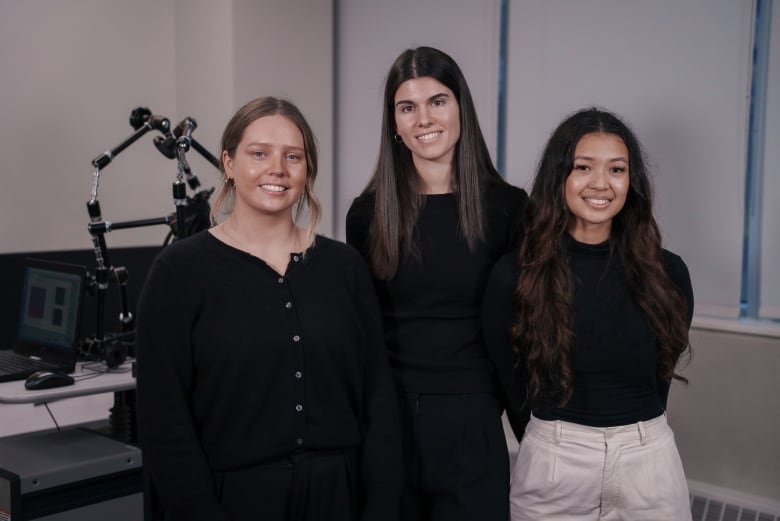
Doctoral student Michaela Kent and undergraduates Lauren MacIntyre and Kylie Mercado are interested in brain changes in children and teens watching screens. (Turgut Yeter/CBC)
“We need more regulation from the top down and we need more parental involvement in what kids are doing,” Mitchell said. “We need both.”
Psychiatry professor Patricia Conrod holds the Canada Research Chair in preventive mental health at Sainte-Justine Hospital in Montreal.
Conrod is concerned that the defaults on devices we use for social media tend to be set for adults. Yet they’re also an integral part of the lives of most young people. She says the features that keep young people scrolling through their feeds also make them lose some self-control and lose time.
“Just because something makes you feel good doesn’t mean it’s good for you,” Conrod said.
Olivia Miller turned off notifications to restrain social media use. (Turgut Yeter/CBC)
Conrod encourages children and teens to pay attention to how their mood changes when viewing content.
Conrod found social media use among 3,800 adolescents in Montreal followed each year from Grade 7 until Grade 11 was associated with lasting aggressivity in relationships over a year.
In contrast, watching television and playing video games were associated with being more hostile or aggressive in the short-term, like a single outburst.
Last month, Conrod published a study suggesting greater social media use was also tied to impulsivity in nearly 4,000 Canadian high school students.
“We have these two studies that were able to uniquely show that social media affected behaviour and symptoms over the long-term,” said Mitchell, who was not involved in the Montreal research.
Unregulated experiment launched
Last week, Jay Olson, a postdoctoral fellow in psychology at the University of Toronto Mississauga, published findings on smartphone addiction patterns among adults in Canada and 40 other countries.
On average, women scored higher than men on showing signs of addiction.
For instance, in Canada among women aged 18 to 22, 56 per cent of them “would be considered clinically addicted to their phones.” That’s when use disrupts sleep, learning or relationships. The same was true for a third of men the same age.
Scientists are investigating how short clips on social media platforms may affect brain development differently than TV or video games. (Roslan Rahman/AFP/Getty Images)
“I think, in the future, we’ll see this time as the beginning of this unregulated experiment,” Olson said.
“We know that smartphones reduce wellbeing. The big question is by how much, for what groups, and what can we do about it?”
Olson said in his research, the most effective strategies to reduce problematic use were simple:
Reducing notifications to just essential ones, like phone calls or texts.
Keeping the phone outside the bedroom.
Disabling colour by turning on greyscale mode to deter use.
Keeping the phone face down and out of arm’s reach.
The older someone is, the less likely they were to have problematic smartphone use.
Canada looks to legislation to protect kids
While those steps that individuals can take will help, doctors and scientists say they don’t go far enough to protect children and teens. U.S. Surgeon General Dr. Vivek Murthy called social media “an important driver” of the youth mental health crisis.
In the U.S., 33 states are suing Meta, Facebook and Instagram’s owner, claiming they made social media addictive to children.
Health Canada and Canadian Heritage plan to bring in legislation following roundtables, where participants concluded children are the most vulnerable to online harm, such as a toll on mental health and the risk of sexual exploitation.
“The bill is expected to be tabled as soon as feasible in order to ensure that online services providers must be held accountable for the harmful content on their platforms online and promote a safer and more inclusive online environment,” Health Canada said in a statement to CBC News.
Instead of being overstimulated by social media, Miller now starts the day by playing piano. She also goes out in nature more often, listens to bird calls and sucks ice cubes or sour candy to stay mindful, adding that what works will vary from person to person.
“Be patient with yourself because it might be a process to … build new restraints with your usage.”
Do you regulate screen time? If so, have you noticed any changes in your mood or behaviour? Send an email to ask@cbc.ca.
As cyberattacks become more common in the health-care sector, experts say Canadians should have a copy of their medical records.
In this digital age, experts argue that having a copy of health records gives patients more control and authority over their care — particularly if those records become inaccessible to health-care providers.
“We should have immediate, easy, digital access to it so that we are informed of what’s going on in our own health and in our own lives,” Tracie Risling, member and past president of the Canadian Nursing Informatics Association.
“I think it helps patients to feel more empowered in their own care.”
Five southwestern Ontario hospitals impacted by a ransomware attack last month are still trying to recover their systems — a process that is expected to take until mid-December. But with systems down, some patient procedures and treatments have been stalled.
In a joint statement last week, the hospitals said that while systems are down, doctors might not have access to a patient’s past records or medical history, a person’s current list of medications or reports from other clinicians involved in their treatment.
Without access to this information, care for some people is up in the air.
TransForm, the IT provider for the hospitals hit by the cyberattack southwestern Ontario, declined a request for comment. As the company works to restore the systems, it’s still unclear whether hospital backups were destroyed and whether any patient data was lost.
Tracie Risling is a member of the Canadian Nursing Informatics Association. The group encourages research and development of new technology to support digital health strategies. (Submitted by Tracie Risling)
No province-wide patient portal
Currently in Ontario, there is no province-wide health portal that gives people access to their electronic health record. Both the federal and provincial governments say they are working toward this.
Governments and health-care organizations have partnered with Canada Health Infoway — a pan-Canadian institution that is creating a national electronic health record platform for all Canadians.
The 10-year plan from Canada Health Infoway is still in its early stages, and some provinces are further along than others when it comes to upgrading their technology.
When asked about having a system like this, the provincial Ministry of Health said in an email that it is “working towards creating a more integrated patient record system.”
Companies fill the void
Right now, the province has a system that only health-care professionals can access called ConnectingOntario. The portal provides up-to-date information on a patient’s health records, including their medications, lab results, diagnostic imaging reports and recent hospital visits.
When it comes to giving patients access to this information, some Ontario hospitals have created their own portals or partnered with companies.
Toronto-based company PocketHealth is one of them.
This is a screenshot of the PocketHealth website. It is a company that partners with hospitals and one of its services is patient access to their health data. (Jennifer La Grassa/CBC)
Co-founder Rishi Nayyar says the company is connected to more than 600 hospitals in North America, giving more than one million patients access to their health records.
Of the hospitals impacted by the ransomware attack in southwestern Ontario, Nayyar says they are only partnered with Windsor Regional Hospital.
Through PocketHealth, patients can pay $10 a month or $49 for a year’s worth of unlimited access to their medical records. For those needing financial assistance, Nayyar says the company has a program in place to help.
“When it comes to something as important as your health, you should have the most up to date record, just like the hospital will … so you know what’s happening, so you can read the reports yourself so you can walk into your doctor’s appointment actually educated,” he said.
Since the cyberattack took place, Nayyar says they disconnected from Windsor Regional to protect their own systems. Until that connection is turned back on, patients won’t be able to see any new information, but still have access to their historical records.
Risling, who is also an associate professor in the faculty of nursing at the University of Calgary, says Canadians shouldn’t have to pay to access these records.
“It’s not something that should be an exclusive option, it has to be an equitable option,” she said.
“We’ve already had problems and inequities in how health care is delivered and I don’t want electronic health record access for patients to be another example of that.”
In southwestern Ontario, participating hospitals use ConnectMyHealth, which is free for people to access on a computer or mobile phone.
According to ConnectMyHealth’s website, it pulls real-time data from hospitals but doesn’t include records from a person’s family doctor.
A screenshot of the portal on its website shows that it provides patients with a variety of information about their care, including their blood test results, lab results and medications.
Added risk to having multiple copies
And while cybersecurity expert David Shipley agrees that having a backup of your medical records is “smart,” he says it also comes with added risk.
David Shipley, CEO of Beauceron Security, says there’s always added risk when people have more copies of sensitive information. But he says the benefit of having a copy of your medical records outweighs the risk. (Submitted by David Shipley)
“Now individuals are going to be trying to protect their data and most Canadians are not prepared to protect that kind of sensitive data and there are no technological silver bullets that I can say guarantee that this data is safe,” said Shipley, who is the CEO at cybersecurity organization Beauceron Security.
“Is that risk worth it when we talk about patient empowerment? I think so.”
Shipley says he’s encouraged by the patient portals he is seeing in some provinces, like New Brunswick, but notes that this requires continued investment in health-care IT.
The College of Family Physicians of Canada (CFPC) says it has heard the concerns of doctors across the country who opposed plans for a third year of training, originally scheduled to start in 2027.
“We have ceased the implementation of the third year in family medicine residency training and will undertake a comprehensive review of this decision,” newly elected CFPC president Dr. Michael Green wrote in a statement.
He said the college would collaborate with its members, chapters and partners “to address current and future challenges in family medicine together.”
More than 91 per cent of the 2,775 physicians registered to vote at the CFPC’s annual membership meeting Nov. 1 approved a motion to “immediately cease the implementation of the third year in family practice program,” establish an independent review committee to present recommendations, and then decide what to do, based on evidence.
Paul Dhillon, a family physician from Sechelt, B.C., introduced the motion and three others calling for more transparency. He called the decision “a great first step.”
“I’m looking forward to seeing when and if they release the documents that led up to this decision,” he said.
Dr. Paul Dhillon’s motion calling on the College of Family Physicians of Canada to immediately cease plans to require a third year of training passed overwhelmingly at the annual members’ meeting on Nov. 1. Dhillon says he is happy the college is backing down on the change. (Andrew Lee/CBC)
The college has said a mandated third year of training, starting in 2027, would prepare physicians to deal with more complex cases, including elder care, mental health and addictions and Indigenous health. An updated and “modernized” education would also help them work in multi-disciplinary teams with new technologies.
“If we look forward 10, 15 years into the future, what are the new skills that family doctors are going to need?” Green said in an interview on Nov. 2, the day after the vote.
“I think we all want, in the end, what’s right for Canadians, which is a strong primary health-care system as our foundation, with experienced and well-trained family doctors.”
Becoming a family doctor in Canada is a 10-year process: Four years of undergraduate education, four years of medical school, and two years of family medicine specialty training. Family doctors already have the option of adding a third year to focus training on a specific area of practice, and all physicians do continuing education throughout their careers.
At a time when one in five Canadians doesn’t have a family physician, there is concern an extra year of training would make the shortage even worse.
Physicians, medical students and residents have spoken out against the mandated third year of training, saying the college needs to provide evidence it would provide better outcomes to patients and make their practices more sustainable.
Provincial health ministers were also “unanimous” at their October meeting in Charlottetown that the residency should stay at two years, B.C. Health Minister Adrian Dix told reporters after the meeting.
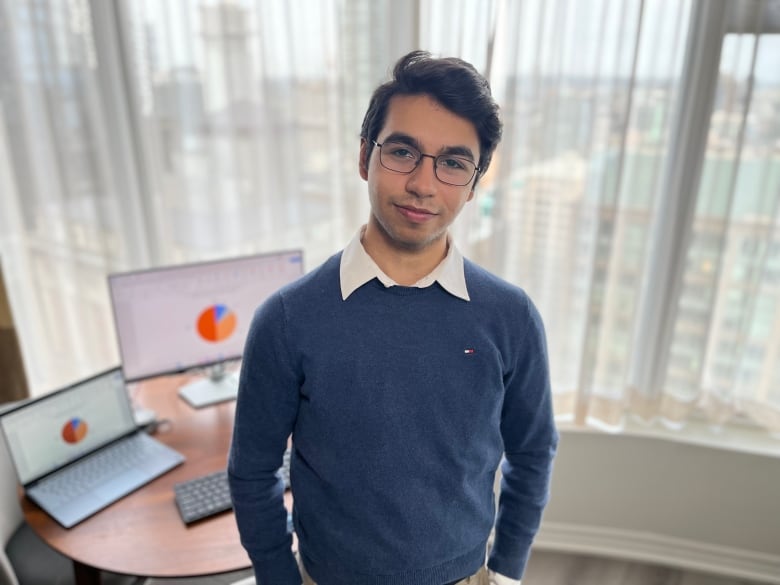
Yash Verma, a first-year medical student at the University of Toronto, is part of the first cohort of students that would have been impacted by an additional year of family medicine training. (Alexis Raymon/CBC)
Yash Verma, a first-year medical student at the University of Toronto, said he and many of his classmates are happy with the decision to halt the third year. Theirs is the first cohort that would have been impacted by the longer residency.
“It really goes to show the power we have as a group to collectively enact change,” he said of the advocacy and lobbying efforts.
“I’m optimistic about the future of family medicine.”
The college will organize town hall meetings and meet with provincial health ministers, the Canadian Medical Association, the Society of Rural Physicians, university programs and other groups to hear their concerns, Green said.
National health organizations are demanding the federal government immediately regulate the sale of flavoured nicotine pouches, a product Ottawa approved for sale in July with no restrictions on how it’s advertised or who can buy it.
“It is completely legal for stores to sell these nicotine pouches to children of any age,” Rob Cunningham, a senior policy analyst with the Canadian Cancer Society, told a joint press conference in Ottawa Tuesday.
“It simply boggles the mind.”
The pouches, produced by cigarette manufacturer Imperial Tobacco Canada Ltd., do not contain tobacco but do contain nicotine, a drug Health Canada says is as addictive as heroin or cocaine.
“It may say on the label that the product is only intended for those over age 18, but this is useless,” Cunningham said. “A retailer that sells to minors will face no offence, no charges and no fines.”
Approved under the Natural Health Product Regulations under the name Zonnic, sales of the pouches as a smoking cessation product started in October at gas stations and corner stores.
But health organizations such as the Canadian Cancer Society and the Canadian Lung Association argue these products are being deliberately marketed to children.
“These products are attractive to youth. They come in appealing flavours. They come in containers that could well hold candy. Of course youth are going to be interested in them,” Cunningham said.
“Imperial Tobacco is using classic lifestyle advertising we saw for cigarettes as promoting these addictive products in places where youth are exposed, such as convenience stores and Instagram.”
Multiple health groups say they fear that Zonnic, which hit Canadian shelves in October, is specifically targeting young people. There are no age restrictions limiting who can purchase the flavoured nicotine pouches. (Turgut Yeter/CBC)
Health groups looking for sale suspension
The health organizations aren’t looking for an outright ban of the nicotine pouches — but they want Health Canada to reclassify them as a prescription product or suspend their sale until regulations are brought in to prevent them from being sold to children.
Both approaches, the groups say, could be done quickly without regulatory changes.
They also want Ottawa to impose a temporary moratorium on the approval of any new nicotine products under Canada’s natural health regulations.
“It’s just a matter of time before there is going to be widespread use, unless action is taken,” Cunningham said.
CBC News has reached out to Health Canada and has not received a response.
“We are looking at this closely to ensure that these products are sold for the purpose for which they were approved,” wrote Christopher Aoun, press secretary for Health Minister Mark Holland.
“We are deeply concerned of reports of tobacco companies marketing nicotine products, such as pouches, to children and those under 18.”
An ad for Zonnic, flavoured nicotine pouches sold in Canada, posted last month on the company’s Instagram account. (Zonnic Canada/Instagram)
Imperial Tobacco wants to sell in pharmacies
Imperial Tobacco Canada said it applied for approval for Zonnic in Canada nearly two years ago. It said it ultimately wants to sell the product in pharmacies, which takes longer to approve than retail sales elsewhere.
“It’s part of our journey to create a better tomorrow,” said Eric Gagnon, vice president of legal and external affairs for Imperial Tobacco Canada.
“We know that there’s a lot of adult consumers and a lot of adult smokers that want to quit smoking, but it’s not always easy.”
Zonnic is classified as a natural health product, not a pharmaceutical, Gagnon said, since it contains 4 mg or less of nicotine.
“These health groups have been fighting tobacco companies for decades in Canada, and everything that we try to do they always oppose it,” he said.
“They’re more concerned that tobacco companies are trying to reinvent themselves. We recognize the health risk associated with smoking and we believe it’s fair for us to put a less harmful alternative to cigarettes on the market. But they don’t like that.”
Gagnon said all the product’s ads on social media are targeted at adults 25 years and older and they instruct retailers not to sell the products to minors.
“These products are not for kids,” he said.
An ad for Zonnic posted in October after the flavoured nicotine pouches began to be sold in Canada. Health groups say the packaging is similar to candy packaging and would easily appeal to youth. (Zonnic Canada/Instagram)
“The federal government didn’t clamp down on the advertising for over a year. They waited for the problem to become apparent,” said Cynthia Callard, executive director of Physicians for a Smoke-Free Canada, adding that Ottawa waited for data on youth vaping to come in before restricting marketing.
“We know very little, actually, about the health effects of these products … in the same way we didn’t know about cigarettes 100 years ago.
“Most people who become addicted to nicotine do so during their adolescence. We have to learn a lesson from the vaping experience.”
Premier Doug Ford’s government gives a for-profit clinic more funding to perform certain OHIP-covered surgeries than it gives Ontario’s public hospitals to perform the same operations, CBC News has learned.
Ontario’s government has never before made public the rates it pays a private clinic in Toronto to perform thousands of outpatient day surgeries each year.
Through a freedom of information request, CBC News obtained documents that reveal those funding rates for the first time. You can see one of those documents for yourself at the bottom of this story.
Four senior officials who work in different parts of Ontario’s hospital system reviewed the documents, and all four say the rates being paid to the privately-owned Don Mills Surgical Unit Ltd. are noticeably higher than what the province provides public hospitals for the same procedures.
That discrepancy raises questions about the government’s imminent plans to expand the volume and scope of surgeries performed outside of hospitals, including the potentially lucrative field of hip and knee replacements.
Ford and his health minister have pitched this expansion as a cost-efficient way to get more surgeries done and reduce wait times.
Don Mills Surgical Unit Ltd. is part of Clearpoint Health Network, the largest chain of private surgical clinics in Canada. Clearpoint is wholly owned by Kensington Capital Partners Ltd., a private equity firm with $1.5 billion in investments. (Michael Aitkens)
However, many health-care professionals are concerned that outsourcing more surgeries to privately run for-profit clinics would merely shift resources from Ontario’s hospitals and boost clinic owners’ revenues, without actually shortening wait lists.
The documents show provincial agency Ontario Health contracted Don Mills Surgical Unit Ltd. at the following per-surgery funding rates in each of the three fiscal years starting from 2020-21:
$1,264 for each procedure classed as minor complexity (such as cataract surgery)
$4,037 for each moderate complexity surgery (such as a laparoscopic gallbladder removal)
$5,408 for each higher-complexity surgery (such as repairing a large tear of a rotator cuff).
The funding rates do not include how much the surgeon bills OHIP for each operation. The physician’s billing for a particular OHIP-covered surgery is identical whether it takes place in a hospital or a private clinic.
WATCH | CBC’s Mike Crawley breaks down what Ontario pays a private clinic in Toronto:
Ontario for-profit clinic paid more than hospital for same surgeries
Featured VideoThe Ontario government is paying a for-profit clinic more than it pays its public hospitals to perform identical, provincially covered surgeries, according to documents obtained by CBC News.
‘Egregious’ overpayment: chief of surgery
In separate interviews, senior public hospital officials who reviewed how those rates applied to the 70 different surgeries on the Don Mills list said the province provides their hospitals less funding per surgery for identical procedures.
The officials spoke on condition of anonymity because they feared talking publicly about the province’s funding arrangements could bring financial repercussions to their hospitals.
“The overpayment for these minor things is egregious,” said the chief of surgery at a large Ontario hospital. “It doesn’t look like great value for money.”
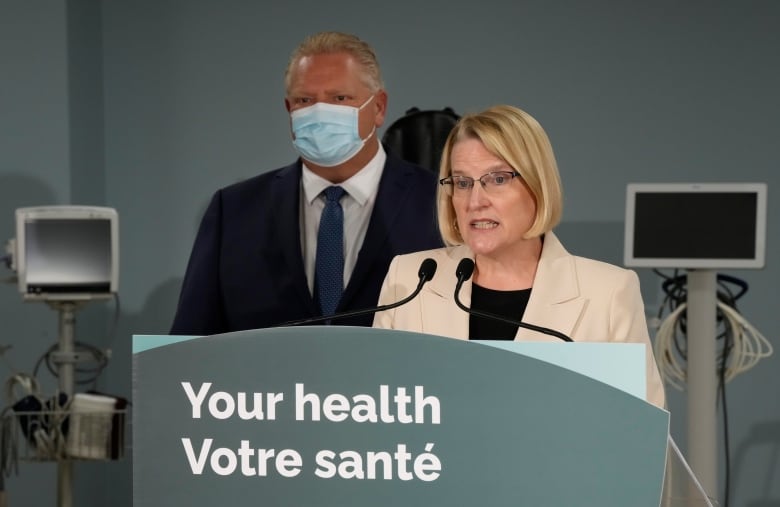
Health Minister Sylvia Jones says the government’s plan to outsource more surgeries is ‘really about people having access and making sure that they’re not sitting on wait lists.’ (Frank Gunn/The Canadian Press)
The $4,037 of funding allotted to Don Mills Surgical Unit (DMSU) for each moderate complexity surgery is “very generous” compared with how hospitals are funded for comparable operations, the chief of surgery said.
A director of surgery at another hospital says those funding rates would allow significant profit to flow from the public purse to the clinic’s owners.
Ministry funding included ‘premiums’
“If I were running that centre, I would be a millionaire,” said the surgeon. “There’s a tonne of money to be made.”
A third senior health-care executive, who has led surgical programs at multiple hospitals in Ontario, described the rates as “much higher” than the per-surgery funding that flows to hospitals.
A spokesperson for Health Minister Sylvia Jones says the province contracted DMSU as part of its efforts to catch up on backlogs of publicly funded surgeries stemming from the COVID-19 pandemic.
The Ministry of Health “came to an agreement with DMSU on a pricing structure for day surgeries, grouped on their complexity and included price premiums. These premiums were also given to hospitals to incentivize increased surgeries,” said Jones’ spokesperson Hannah Jensen in an email.
Earlier this month, Jones defended the government’s outsourcing of surgeries and its plans to move more procedures outside of hospitals.
“It’s really about people having access and making sure that they’re not sitting on wait lists, they’re not having to wait at home, they’re not off work,” Jones said in an interview on Nov. 2.
‘Same physicians as hospitals,’ says Jones
CBC News asked Jones if she could commit that surgeries performed in private clinics under the government’s expansion plans will not cost the province more than in hospitals.
“What I can commit to is that regardless of where you get your surgery, you are being treated and assessed and having access to … licensed regulated healthcare professionals, the same physicians, doctors, anaesthetists who are practicing in our hospital system,” she said.
The people who run hospitals are deeply concerned that surgeons, anaesthetists and operating room nurses shifting to private clinics will weaken the ability of hospitals to provide the care expected of them.
That’s because surgeons who are attached to a hospital don’t just do scheduled surgeries: as part of their deal to have credentials at hospitals, they’re expected to put in clinical shifts and take turns being on call for emergency surgeries.
Documents obtained through a freedom of information request show the province provides Don Mills Surgical Unit $1,264 for each cataract removal. Hospitals are funded $508 per surgery and the non-profit Kensington Eye Institute says it receives $672. (Jacques Poitras/CBC)
CBC News requested an interview with senior officials from Don Mills Surgical Unit. The company declined the request, but sent a statement by email.
“The surgical services delivered through our state-of-the-art facility have been an integral part of the Ontario healthcare system for decades,” said Don Mills Surgical Unit’s director of operations, Sara Mooney.
‘High patient satisfaction’
“We operate within the funding levels and expected volume budgets assigned by the province to reduce wait times and restore quality of life for Ontarians who’ve been waiting for essential surgeries,” Mooney said. “Our high patient satisfaction rate is testimony to the quality of care provided.”
The documents show Don Mills Surgical Unit Ltd. was allocated $3.66 million in what’s described as “Private Hospital Surgical Recovery Funding” for 664 minor complexity surgeries, 465 moderate complexity and 175 higher complexity surgeries during each of the 2021-22 and 2022-23 fiscal years.
The documents do not show how many surgeries were actually carried out, nor which of the 70 different surgical procedures on the list were performed. The Ministry of Health said it could not provide a breakdown because DMSU does not submit “procedure-level data.”
CBC News asked Don Mills for specifics. Mooney said the surgeries provided under the program were orthopaedic, ear, nose and throat, cataract, general, and medically necessary plastic surgeries.
Former health minister Christine Elliott is registered to lobby Premier Doug Ford’s government on behalf of Clearpoint Health Network Inc., which runs Don Mills Surgical Unit. Her official lobbyist registration says her goal is to ‘engage the government in updating and increasing the base funding amount available to Clearpoint.’ She is pictured here with Ford in July 2018. (Chris Young/Canadian Press)
The documents also show Don Mills was funded an additional $1.3 million in 2022-23 to perform another 1,041 minor surgeries at $1,264 each. In December 2022, Ontario Health also gave it another $263,000 in what it described as “one-time funding to support the operation of private hospitals.”
Ontario’s end-of-year financial statements, the public accounts, show the Ministry of Health’s annual payments to Don Mills ran consistently at $1.32 million in the years leading up to the pandemic, and have quadrupled since, hitting $5.27 million in 2022-23. A government official confirmed that the private clinic is continuing to receive funding this year under the surgical recovery program.
Christine Elliott lobbying for the company
Don Mills Surgical Unit is part of Clearpoint Health Network, the largest chain of private surgical clinics in Canada.
Clearpoint is wholly owned by the $1.5 billion private equity firm Kensington Capital Partners Ltd., which launched the chain through a $35 million purchase of clinics in Ontario, Manitoba, Alberta and B.C. in 2019.
Last week, former health minister Christine Elliott registered to lobby the Ford government on behalf of Clearpoint. Her official registration says her lobbying goals are to “engage the government in updating and increasing the base funding amount available to Clearpoint.”
Clearpoint says about 90 per cent of the surgeries performed in its clinics across Canada are publicly funded.
The higher per-surgery funding to Clearpoint’s clinic debunks the government’s claims about the benefits of outsourcing OHIP-covered procedures, says Andrew Longhurst, a health policy researcher at Simon Fraser University.
“Having this [funding] information tells us that the main rationale that the government has used to argue for greater for-profit delivery simply doesn’t pass the sniff test,” said Longhurst in an interview.
“Taxpayers are having to pay significantly more to have the same procedures done in private, for-profit facilities, so investors can make a return,” Longhurst said. “I see that as a very bad deal for the public.”
To compare per-surgery funding rates, CBC News reviewed official funding documents called Hospital Service Accountability Agreements posted by a variety of Ontario hospitals.
Cataracts and knee arthroscopy
Two common procedures on the list at Don Mills that the province also funds on a per-procedure basis in hospitals are cataract surgery and arthroscopic knee surgery.
While the contract shows the province provides Don Mills $1,264 for each cataract operation, the funding agreements with hospitals show $508 per procedure.
WATCH | She paid thousands more than she needed to at a private clinic:
She paid thousands more than she needed to at a private clinic
Featured VideoHealth Canada reports show private, for-profit clinics are upselling patients on extra services they don’t need. One Ontario patient says a private clinic had her sign off on additional services that cost her thousands and even tried to get her to have another surgery that she didn’t need.
“Knee arthroscopy with meniscus repair” is defined as a Level 2 or moderate complexity procedure in the Don Mills agreement, funded at $4,037 per surgery.
The funding to hospitals for “knee arthroscopy (degenerative meniscus and joint)” ranges from $1,273 per surgery at Toronto’s University Health Network to $1,692 each at Sunnybrook Health Sciences Centre.
‘No justification’
“There’s no justification for this that I can possibly think of,” said Dr. Dick Zoutman, a former chief of staff at two major hospitals in the province, now a board member of the union-backed Ontario Health Coalition
“The costs to the Ontario taxpayers are substantially more for exactly the same service,” said Zoutman in an interview. “Frankly, I think it’s nonsense.”
The health minister’s spokesperson says it’s not possible to make an accurate comparison between the funding Ontario gives to an independent facility like DMSU and the funding given to a hospital to provide the same procedure, because hospitals also receive separate global operating budgets.
“Community surgical and diagnostic centres receive one-time funds for procedures only and have to absorb any capital or operating costs, unlike hospitals,” said the spokesperson. “These centres may have higher costs for purchasing equipment or, in some cases, having to rent equipment.”
On the Clearpoint Health Network website, the company says the Don Mills Surgical Unit is a state-of-the-art facility that includes six operating rooms. ‘Our facility delivers thousands of OHIP procedures annually to assist in the efficient and effective management of many wait list procedures,’ the website says. (Clearpoint Health Network)
However, hospital officials say the global operating budgets fund the many other things hospitals do beyond outpatient surgery. They also question why the province would subsidize a private clinic’s costs by paying it more money per procedure.
“I don’t really understand the decision-making process [the province] used for setting these particular rates,” said a senior hospital executive.
There is “no point” in the government outsourcing surgeries to for-profit clinics if they can’t perform surgeries more cost-effectively than hospitals can, the executive said. “You would be wasting taxpayers’ dollars.”
Ontario doctors have urged the government to create non-profit surgical centres in its move to expand the scope of surgeries performed outside of hospitals.
The government allocated $300 million across Ontario in 2022-23 to tackle the increased backlog of surgeries and diagnostic procedures driven by the pandemic, the bulk of which went to hospitals.
“A single rate setting-approach should be established for both public hospitals and private clinics offering the same clinical services,” said Anthony Dale, president of the Ontario Hospital Association, in a statement.
The government’s plan to increase the number of surgeries done outside hospitals includes adding hip and knee replacements to the list in 2024. The current per-procedure funding to hospitals is around $8,100 for each knee replacement and $8,900 for each hip replacement.
Here’s a document CBC Toronto obtained showing the funding agreement the province struck with a privately-owned clinic:
Musician Kelsey Arsenault thought bridging music and health care in music therapy was the perfect occupation. Until she couldn’t pay her bills. (Malone Mullin/CBC)
This is Part 2 of The Grind, a new series from CBC Newfoundland and Labrador on people who are working multiple jobs to offset the rising cost of living.
Guitars and basses adorn the walls of Kelsey Arsenault’s St. John’s living room.
There’s a cello tucked into the corner, beside a keyboard waiting to be shoved in its case and lugged to the next downtown gig. Her framed music degree hangs above an old upright piano.
These days, Arsenault is using the instruments less than ever.
The 28-year-old had to give up on her dream job last year, when she realized that despite juggling multiple jobs — like a growing number of Canadians — she still couldn’t afford to pay rent.
Arsenault holds a master’s degree in music therapy. When she moved home to Newfoundland to start her practice, she picked up two part-time therapy positions — one of them with a provincial health authorities — and handled, at her peak, about 28 clients.
But with the cost of groceries, bills and fuel rising across Canada in the past two years, she realized her income needed a boost.
“I was getting by … but then I needed to pick up a third job, really to supplement my income because I just couldn’t make my rent,” Arsenault says, sitting on the bench of her worn piano.
“I had bills to pay. I had student loans from the degree I just got.”
WATCH | Kelsey Arsenault on leaving her career passion out of necessity
She has a master’s degree and held 3 jobs — but needed a desk job to ‘survive’
Featured VideoKelsey Arsenault is a trained music therapist, and even though she had two jobs in her field — in addition to working in a bar in downtown St. John’s — she had to give it all up to pay the bills. Sarah Antle tells her story as part of the CBC Newfoundland and Labrador series The Grind.
One in a million
Arsenault is one of a million Canadians who work more than one job, according to a StatsCan report published in August. As CBC News reported last week, one-third of those now work multiple jobs out of necessity, as opposed to by choice.
In the St. John’s metro area, ballooning rent in the last two years — compounded by a tighter housing supply and the rising cost of consumer goods — has left people like Arsenault racking up jobs to keep up with the inflationary squeeze.
Arsenault’s third job saw her serving in a downtown bar.
“That was going on till 3 a.m., and then I was getting up in the morning and working with a little kid,” she recalled.
“It just was exhausting. When you’re working with a lot of complex needs and different emotions, you’ve got to give a lot of yourself to those positions.… You’re really putting a lot into that.”
Kelsey Arsenault has been playing piano as long as she can remember. (Submitted by Kelsey Arsenault)
Arsenault gave up her therapy career and serving gig last fall, trading it for a nine-to-five desk job that she finds emotionally unstimulating but pays about $60,000 a year. After taxes and deductions, she brings home about two-thirds of that. (In order to protect Arsenault’s livelihood, CBC News has agreed not to identify her current employer.)
It’s the kind of uninspiring office career she spent her 20s trying to avoid, but now requires to pay off her degree.
And that degree was meant to land her an occupation that she loves but can no longer afford.
“I was working evenings, working mornings, working all kinds of scattered shifts just to get through,” Arsenault said. Rising rent — and over $35,000 in student debt — became an increasingly crushing burden.
“It came down to really needing to … pay my bills, do what I had to do to survive.”
These days, music has taken a backseat but remains a second job that takes up the vast majority of her spare time. She spends evenings and weekends rehearsing, practising and composing, refusing to allow her array of instruments to gather dust.
“When you’re starting a dream and you’re going for it,” she says, “[you think], ‘This is going to be it.’ Like, ‘I’m going to be a music therapist. I’m going to start my own private practice.’
“And then you … get out in the real world, and, like — you’re trying to buy a block of cheese.”
Arsenault, who released her first album this year, says the silver lining in giving up her dream job was being able to work on her music. (Ted Dillon/CBC)
A disturbing trend
Experts contacted by CBC News have painted a grim picture for working Canadians in 2023.
“The price of everything we buy has been going up rapidly,” says Walid Hejazi, an economics professor at the Rotman School of Management in Toronto.
“Our incomes are not keeping up, which means our purchasing power is falling. Which means all of these people that were barely making ends meet in the best of times now all of a sudden are incredibly challenged.”
You … get out in the real world, and, like — you’re trying to buy a block of cheese.– Kelsey Arsenault
Julia Smith, an assistant professor of labour studies at the University of Manitoba, says Canada is seeing a trend of workers unable to use their education — “folks going to school for degrees or diplomas or whatever it is … and then coming out and not necessarily being able to find work.”
Smith says more and more people are having to give up jobs that they are passionate about to cover their life expenses.
“Do I need to get a second job? Can I keep this job? Do I just cut back? Do I skip meals?” Those are the questions people are asking themselves, she says.
Karen Foster, an associate professor at Dalhousie University, researches the sociology of work. She says there’s a direct link between socioeconomics and health.
“We aren’t meant to work 24 hours a day,” she says. “We’re meant to have rest and have community time and family time and friend time and alone time.”
In rural Atlantic Canada, holding several jobs at once — also known as occupational pluralism — isn’t a historically rare phenomenon. Often, it permits the worker the flexibility to earn an income where and when they want, particularly in small, remote economies, or do something they love — such as make and perform music.
Workers unable to use their education
But Foster has noticed a disturbing trend.
“The problem arises when those multiple jobs are incompatible, or burn you out, or are not freely chosen,” Foster says.
“And in our current economy, more people are being pushed into this bad version of [multiple job holding].”
But Arsenault hopes that by combining music and health cares means generating a modest income that could keep her housed and fed.
“I do hope to go back to doing music therapy someday, but I’m doing this for right now,” she says.
The Dose24:00What do I need to know about using antibiotics correctly?
As the season for coughs and colds returns, medical experts have a reminder: antibiotics aren’t a go-to treatment for common viral respiratory infections.
“I think that a lot of people are in the habit of still seeking antibiotics if they’re finding that their illness is prolonged or more severe, just in case,” said Dr. Lynora Saxinger, an infectious diseases specialist at the University of Alberta Hospital in Edmonton.
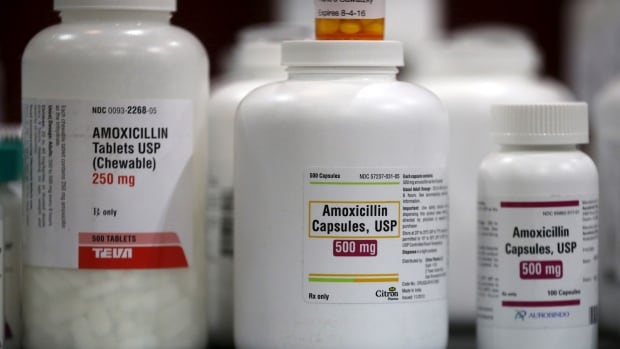
Overprescribing — including at a patient’s request — and misuse of antibiotics is fuelling antibiotic resistance, a global health threat, giving rise to superbugs that can’t be treated by first-line antibiotics.
Saxinger says patients who are prescribed an antibiotic for an illness the drugs don’t treat can be given a false perception of their effectiveness.
“They get a prescription, it’s for a virus, but they start to get better shortly after because they’ve just peaked in their illness while this whole process was going on,” she told Dr. Brian Goldman, host of The Dose podcast.
“So there’s also a learned behaviour where people associate getting better with having had an antibiotic prescription.”
Growing concern
The risk of antibiotic resistance is increasing year over year and affecting patients in hospital on a daily basis, according to infectious diseases physician Dr. Jerome Leis.
“We have, for example, patients who have an infection that, because of resistance, now requires an intravenous course of antibiotics rather than pills, or now requires a second-line antibiotic that not only is less effective, but has increased risks to the patient,” said Leis, medical director of infection prevention and control at Sunnybrook Health Sciences in Toronto.
Doctors are now more often taking a wait-and-see approach for certain conditions, including those where antibiotics used to be routinely prescribed. (Gonzalo Fuentes/Reuters)
In certain cases where antibiotics are no longer an option, doctors are turning to surgical methods to control infections, he added.
In 2018, one-quarter of bacterial infections were resistant to a first-line antibiotic used to treat them, and nearly 15 people died due to resistant infections, according to a 2019 report by the Council of Canadian Academies. The same report predicts resistance rates will rise to 40 per cent by 2050.
But proper stewardship of the potentially life-saving drugs — using them only when prescribed, for the bacterial infections they treat — can help ensure they remain effective. In June, the Public Health Agency of Canada released a five-year, pan-Canadian plan to combat antibiotic resistance.
Wait-and-see for common infections
Dr. Daniel Flanders, a pediatrician in Toronto, says he works hard to prescribe antibiotics only when necessary, but acknowledges that there’s a balance between practising antibiotic stewardship and providing good service to patients.
“I think we need to get better and better at communicating reasons why we might choose not to treat someone’s child or someone’s infection with antibiotics,” he said.
Best practices have shifted rapidly, even in the last two decades, Flanders explained. For example, when a child came into a clinic with a middle-ear infection (otitis media) 15 years ago, an antibiotic would almost always be prescribed.
If you’re prescribed antibiotics, infectious diseases specialist Dr. Jerome Leis says you should ask your doctor what the drug is meant to treat, and if there may be a simpler option. (Jeff McIntosh/The Canadian Press)
Now, doctors are more likely to take a wait-and-see approach and allow the infection to resolve on its own.
“Lo and behold, the majority of ear infections don’t need antibiotics to get better,” Flanders said.
The “watchful waiting” method can apply to a number of other common conditions. Many “above the neck” infections — sinus and ear, throat and chest — typically resolve on their own, Saxinger explained.
Urinary tract infections and diarrheal illnesses, unless complicated with symptoms like whole body infections or blood in the stool, can also be resolved without antibiotics, she added.
“There should always be some ability to kind of touch base [with a doctor] in a day or two to make sure things aren’t going off the rails, and the patient should always be counselled about what to look out for,” Saxinger said.
What to ask a doctor about antibiotics
The World Health Organization says individuals can help reduce the spread of antibiotic resistance by using antibiotics as directed and, crucially, only when prescribed. The organization adds that patients should never demand antibiotics from a health-care provider.
Leftover antibiotics should never be used, and they should be disposed of properly at a pharmacy. Practising good hygiene is also recommended.
If antibiotics are prescribed, Leis says patients should ask their doctor three questions:
Do I really need antibiotics and what is the reason they’re being prescribed?
What are the risks and side effects of this course of treatment?
Are there any simpler or safer options or any alternatives?
Ultimately, Flanders says it’s not about discouraging people from visiting their doctor — it’s about building trust.
“It makes much more sense to make the mistake of going there and overreacting so that you can kind of learn better and better each time when to come and when not to come,” he said.
“Then, let the doctor worry about whether antibiotics are necessary.”